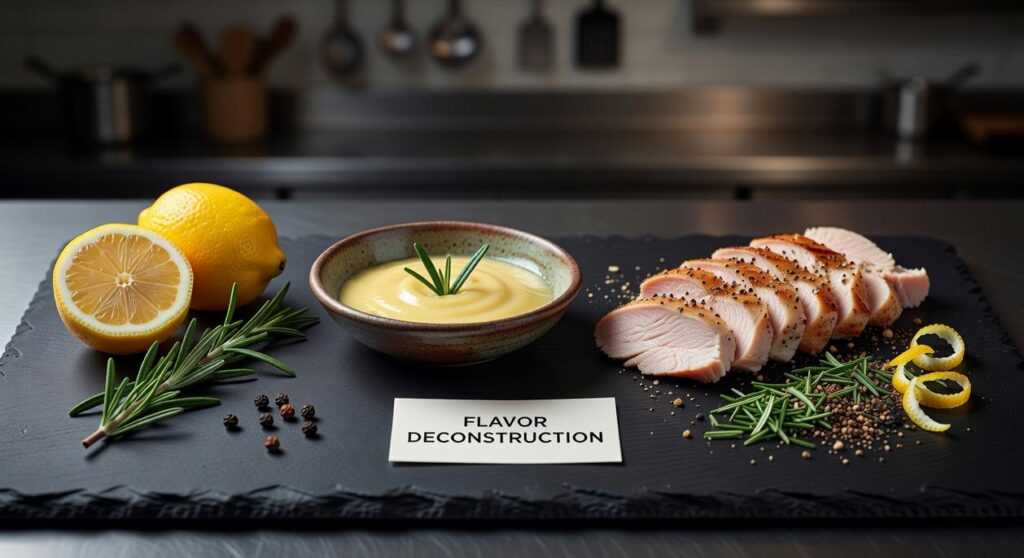
If you’re here, you’re likely looking to expand your culinary horizons—whether that means exploring global flavors, experimenting with new ingredients, or simply becoming more confident in your kitchen. This article is designed to guide you through practical cooking tips, smart prep hacks, and creative techniques that make trying something new feel approachable instead of overwhelming.
From ingredient spotlights to flavor-pairing insights, we break down complex tastes into clear, usable ideas you can apply right away. Our guidance draws from extensive culinary research, tested kitchen experiments, and insights inspired by diverse food traditions around the world—so you’re not just getting trends, but time-tested principles that work.
If your goal is developing your palate while sharpening your skills, you’ll find actionable advice here to help you taste more intentionally, cook more creatively, and turn everyday meals into memorable experiences.
Flavor fatigue is real. Many people rotate the same salty snacks and sweet drinks, then wonder why new dishes taste strange. However, your taste buds are adaptable; research shows repeated exposure increases acceptance of unfamiliar foods (Pliner & Hobden, 1992). In other words, you can train them. Start small: add a squeeze of lemon to soup or a pinch of chili to chocolate. Skeptics argue you either “like” something or you’re born picky. Yet chefs know preference is learned; developing your palate means noticing texture, aroma, and balance. Pro tip: keep a flavor journal. Soon, meals feel like discovery daily.
Why Our Palates Get “Stuck” (And How to Unstick Them)
Understanding Palate Fatigue
When you eat intensely salty fries or ultra-sweet desserts daily, your taste receptors—specialized cells that detect flavor molecules—adapt. This is called palate fatigue, a temporary dulling of sensitivity after repeated exposure (similar to how you stop noticing a strong perfume). Research shows high sugar intake can reduce sensitivity to sweetness over time (CDC). The result? Subtle flavors—like the floral notes in saffron or the natural sweetness of carrots—barely register.
The Psychology of ‘Picky Eating’
Food preferences often form in childhood through repetition and reward. Neophobia—fear of new foods—is a protective evolutionary trait. But adults can override it with gradual exposure (think Ratatouille, minus the talking rat).
- Try one unfamiliar ingredient weekly
- Pair new flavors with familiar favorites
The ‘Palate Reset’
A 7–14 day reduction of excess salt and sugar helps taste buds recalibrate. Pro tip: focus on herbs, acids, and texture while developing your palate.
Deconstructing Flavor: Mastering the 5 Basic Tastes and Beyond

Let’s start simple. The five basic tastes are sweet, sour, salty, bitter, and umami—each detected by specialized receptors on your tongue (National Library of Medicine). Sweet signals energy; think honey or plain sugar. Sour indicates acidity; lemon juice is its purest expression. Salty enhances and preserves; a pinch of sea salt delivers it cleanly. Bitter, often misunderstood, comes through in black coffee or unsweetened cocoa and can add complexity when balanced.
However, the real game-changer is umami, often called the “fifth taste.” Coined by Japanese chemist Kikunae Ikeda in 1908, umami describes savory depth created by glutamates. Mushrooms, soy sauce, and aged parmesan are rich sources. Add a shaving of parmesan to pasta, and suddenly the dish tastes fuller—meatier—even without meat. That’s umami working behind the scenes (quietly stealing the spotlight).
Beyond these basics, flavor expands. Fat delivers richness and carries aroma compounds. Pungency—the heat from chili peppers—activates pain receptors rather than taste buds. Astringency, found in tea or red wine, creates a drying sensation by binding to proteins in saliva. Together, these sensations shape how we perceive every bite.
Some argue that memorizing taste categories overcomplicates cooking. Yet understanding these features gives you control. When you know what each taste contributes, you can intentionally layer them—much like learning how to balance salt acid fat and heat in any dish (https://renkooki.com/how-to-balance-salt-acid-fat-and-heat-in-any-dish/).
Actionable Tip: The Taste Isolation Exercise. Try a pinch of salt, a drop of lemon juice, and a dab of honey separately. Pause. Notice the intensity and aftertaste. This simple drill builds a mental reference point—essential for developing your palate and cooking with confidence.
Your 4-Week Plan to a More Adventurous Palate
Start with an anecdote about trying a food you swore you’d hate.
A few years ago, I pushed a plate of roasted carrots away like they’d personally offended me. I “didn’t like cooked carrots.” Turns out, I just hadn’t met them with cumin and a squeeze of lemon. That small shift changed everything—and that’s the spirit behind developing your palate.
Week 1: The “Ingredient Bridge” Technique
The Ingredient Bridge means moving from a safe favorite to its close cousin. It reduces what food psychologists call food neophobia—the fear of new foods (Pliner & Hobden, 1992).
Try this:
- Love cheddar? Test gruyère.
- Like broccoli? Roast broccolini with olive oil.
- Enjoy white rice? Swap in jasmine or basmati.
You’re not leaping off a cliff—you’re stepping over a puddle.
Week 2: One Herb, Many Dishes
Choose a single new seasoning and use it repeatedly. Repetition builds familiarity (and comfort).
For example, I once spent a week with smoked paprika:
- Scrambled into eggs
- Rubbed on chicken
- Tossed with roasted potatoes
By Friday, that once-“strange” spice tasted essential.
Week 3: Explore One Cuisine
Pick a cuisine—Thai, Mexican, Lebanese—and order or cook a signature dish. Focus on its core flavor profile (the dominant taste combination that defines a cuisine).
Notice patterns. Thai food often balances sweet, sour, salty, and spicy in one bite. It’s like the Avengers of flavor—each element strong alone, unbeatable together.
Week 4: The “Flavor Pairing” Challenge
Flavor pairing is the art of balancing contrasting tastes:
- Sweet + Spicy (mango with chili)
- Rich + Acidic (pork with vinegar sauce)
- Bitter + Sweet (dark chocolate with sea salt)
Some argue you either “have” an adventurous palate or you don’t. I disagree. Taste buds adapt with exposure (Harvard T.H. Chan School of Public Health).
Four weeks. Small steps. Big shifts. And maybe, just maybe, carrots deserve a second chance.
Mindful eating starts with slowing down. When you eat without screens or rushing, your brain has time to process the intricate signals from your taste buds and nose, which means richer flavor and greater satisfaction. In fact, researchers estimate that about 80% of what we perceive as taste is actually smell (Harvard Health). So pause, inhale the aroma, then take your first bite. Next, notice texture—creamy risotto, crunchy pickles, chewy bread. Texture is a flavor in its own right. Ultimately, this practice supports developing your palate and transforms everyday meals into memorable experiences. You’ll feel fuller with less food, too.
Your Culinary Adventure Never Ends
Now, instead of waiting for inspiration to strike, you have a practical roadmap for developing your palate with purpose. That means fewer bland meals and more “how did I make this?” moments (yes, even on a Tuesday).
Although flavor ruts feel permanent, they’re usually just patterns on repeat. By using tools like ingredient bridging—pairing a familiar favorite with something new—you lower the risk and multiply the reward.
Technique | Benefit
Ingredient Bridge | Expands flavor range safely
So start small. Try one bridge tonight. One bite can unlock years of delicious possibility. Starting right now.
As you refine your palate at home, experimenting with bold flavors like miso can enhance your tasting experience while also offering numerous health benefits, making it a perfect companion to our article on ‘Cooking with Miso: Health Benefits and Easy Recipes.’
Elevate Every Bite
You came here looking for fresh inspiration, smarter kitchen prep, and a deeper connection to global flavors—and now you have the tools to make it happen. From ingredient spotlights to hands-on experimentation, you’ve seen how small, intentional changes can completely transform what ends up on your plate.
The real reward is in developing your palate and gaining the confidence to try new techniques, layer bold flavors, and rethink everyday meals. Bland routines and repetitive dishes are often the biggest frustrations in the kitchen—but they don’t have to be your norm anymore.
Now it’s your move. Choose one new ingredient this week. Test one new technique. Push one flavor boundary. Then keep building from there.
If you’re ready to break out of boring meals and cook with creativity and confidence, explore more expert tips and global flavor guides today. Join thousands of passionate home cooks who trust us for practical, flavor-first inspiration—start experimenting now and turn your kitchen into a place of discovery.