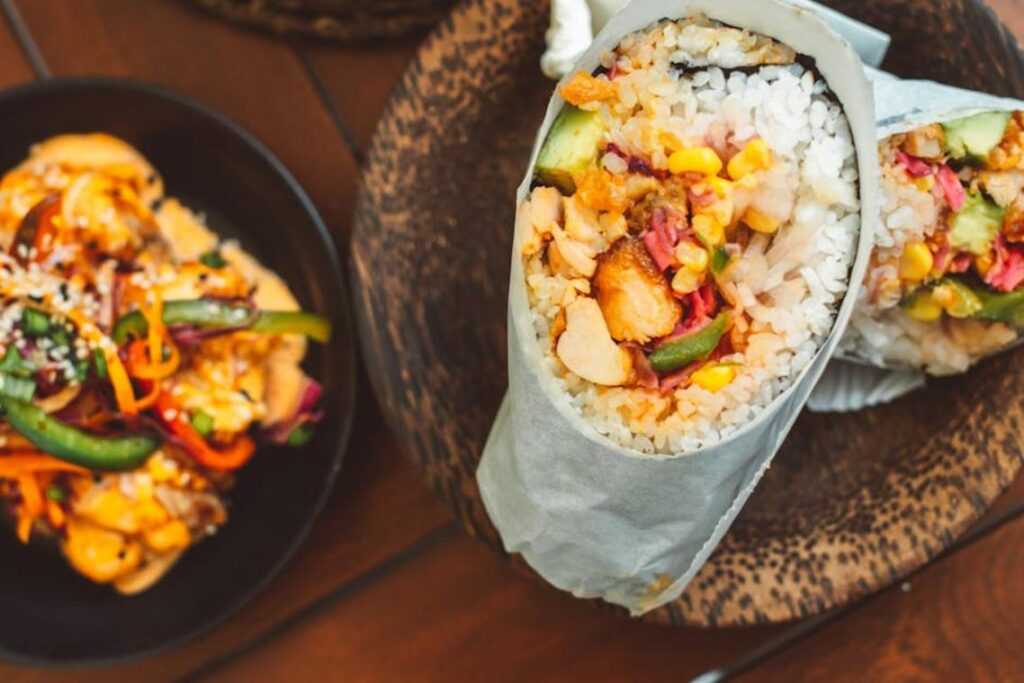
If you’re searching for bold new flavors, unexpected ingredient pairings, and creative ways to elevate your time in the kitchen, you’re in the right place. This article explores how global influences—especially Asian Latin fusion cuisine—are reshaping the way home cooks and food lovers think about flavor, texture, and technique.
We break down the essential ingredients, flavor foundations, and preparation tips that make this culinary style so exciting and approachable. From balancing heat and acidity to mastering marinades, sauces, and smart kitchen prep hacks, you’ll gain practical insights you can apply immediately.
Our approach is rooted in deep culinary research, hands-on experimentation, and careful study of global food traditions. Every recommendation is designed to help you cook with more confidence and creativity.
Whether you’re experimenting with new spice blends or refining your knife skills, this guide will help you bring vibrant, globally inspired dishes to your table with clarity and purpose.
A Flavor Revolution on Your Plate
As you savor the spicy kick of wasabi-infused salsa or the tang of lemongrass in your empanadas, it’s also essential to ensure that your fresh ingredients are properly prepared, which you’ll find tips for in our article on defrosting safely at Tbtechchef – for more details, check out our Defrosting Safely Tbtechchef.
Imagine bright lime, smoky chipotle, and fragrant ginger colliding in one unforgettable bite. That’s the magic of Asian Latin fusion cuisine—a bold blend of techniques and ingredients from two flavor powerhouses. Fusion simply means combining culinary traditions to create something new, yet balanced.
At first, it can feel intimidating. Do soy sauce and cilantro really belong together? Surprisingly, yes. Both cuisines prize acidity, heat, and umami (that savory depth found in miso or slow-cooked meats). When paired thoughtfully, you gain exciting weeknight meals, expanded kitchen confidence, and restaurant-worthy results—without complicated steps.
Start small; big flavors follow naturally.
The Delicious Collision: Where Two Continents Meet
The story begins with migration. In the late 19th century, Japanese immigrants arrived in Peru and began cooking with local ingredients, giving birth to Nikkei cuisine—a blend of Japanese technique and Peruvian staples. Decades later in Los Angeles, Korean tacos rolled out of food trucks, layering bulgogi (marinated grilled beef) into tortillas. In other words, necessity and creativity sparked what we now call Asian Latin fusion cuisine.
Core Flavor Philosophies
At first glance, the flavor foundations seem worlds apart. Latin American cooking leans on chiles, bright citrus, and herbs like cilantro for freshness and heat. Meanwhile, many Asian cuisines build depth with soy sauce (a fermented soybean seasoning), ginger, garlic, and umami-rich ingredients like miso or fish sauce. However, both traditions value balance—sweet, salty, sour, and heat working together rather than competing.
So why does it work so well? Enter flavor bridges—ingredients that connect two culinary worlds. For example, the acidity of ceviche becomes more aromatic with yuzu, a citrus fruit used in Japan. Similarly, a splash of soy sauce intensifies the savoriness of braised taco fillings. If you’re experimenting at home, start small: swap lime for yuzu or add ginger to a marinade. Balance first, then build.
The Global Pantry: 5 Essential Fusion Ingredients
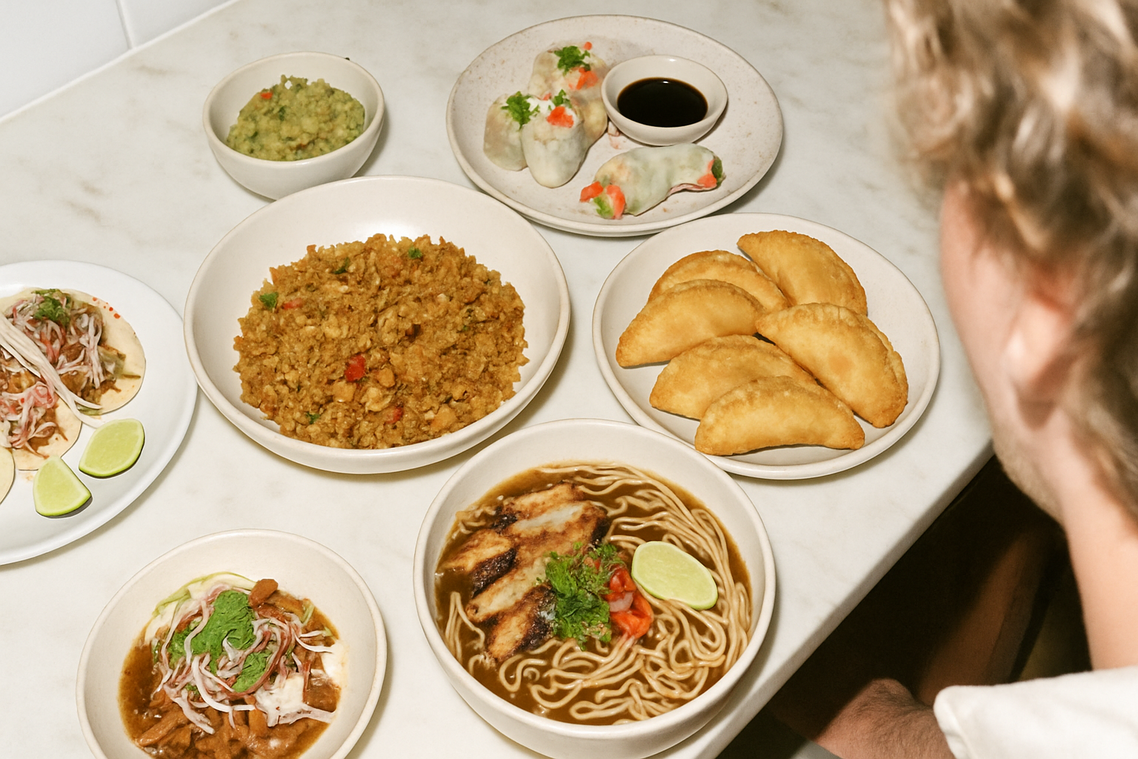
Great fusion cooking isn’t about chaos—it’s about pairing ingredients that amplify each other. If you want to cook with more confidence, start with these five power duos and use them intentionally.
1. Aji Amarillo & Gochujang
First, blend the fruity heat of Peruvian aji amarillo with the fermented depth of Korean gochujang. Aji amarillo is a bright yellow chili known for its subtle sweetness, while gochujang is a fermented chili paste rich in umami (that savory “fifth taste”). Together, they create a layered heat that’s perfect for chicken marinades or roasted vegetables. If you love bold sauces, this is your move.
2. Yuzu & Lime
Next, combine yuzu—a Japanese citrus prized for its floral aroma—with sharp, clean lime. The result? A dressing or ceviche cure that tastes vibrant and modern. Think of it as turning the volume up on acidity without making it harsh (no one wants mouth-puckering regret).
3. Soy Sauce & Adobo
Instead of plain salt, use soy sauce in your adobo spice blend. Adobo typically includes garlic, oregano, and vinegar; soy sauce adds depth and complexity. Brush it onto grilled pork or roasted mushrooms for a richer finish. Pro tip: reduce added salt elsewhere to balance sodium.
4. Cilantro & Miso
Meanwhile, mix fresh cilantro with miso paste—a fermented soybean seasoning packed with savory intensity. The herb’s brightness cuts through miso’s richness beautifully. Try it in a pesto for noodles or seafood.
5. Ginger & Annatto
Finally, pair pungent ginger with earthy annatto (achiote), a seed used for color and mild peppery flavor. This duo shines in rubs and stews, especially in Asian Latin fusion cuisine. Skeptical? Try it once—you’ll taste the harmony immediately.
Technique Tango: Blending Kitchen Methods
Great cooking happens when techniques—not just ingredients—cross borders. That’s where Asian Latin fusion cuisine gets interesting.
Curing & Marinating
Ceviche, the Latin American method of curing raw fish in citrus (acid denatures proteins, “cooking” without heat), is ripe for reinvention. Swap lime for ponzu (a citrus-soy sauce), add rice vinegar for sharpness, and finish with sesame oil for nutty depth. Some purists argue this strays too far from tradition. Fair—but cuisine evolves by iteration (sushi burrito, anyone?). The result is brighter, more layered acidity.
Grilling & Glazing
Charcoal grilling—central to many Latin cuisines—adds smoke through direct flame contact. Brush on teriyaki or hoisin during the final minutes to create a lacquered glaze. Serve with salsa for contrast. PRO TIP: Glaze late to avoid burning sugars.
Stir-Frying with a Twist
Build a stir-fry from a sofrito base (sautéed onions, garlic, jalapeños). Then add soy sauce and crisp vegetables. HIGH HEAT IS NON‑NEGOTIABLE for proper searing (Harold McGee, On Food and Cooking).
The Art of the Taco & Bao
Structure matters. Pork pibil steams beautifully inside bao; bulgogi shines in a corn tortilla with kimchi slaw. For more technique layering, see how to blend mediterranean and middle eastern ingredients at home.
Your First Fusion Dish: Kimchi & Carnitas Quesadillas
Think of this as your gateway into Asian Latin fusion cuisine—bold, balanced, and surprisingly simple (like a culinary buddy cop movie where everyone gets along). Carnitas—slow-cooked pork simmered until tender, then crisped in its own fat—bring rich, savory depth. Kimchi, a fermented Korean cabbage packed with chili heat and tang, cuts through that richness with bright acidity.
Start by reheating and crisping shredded carnitas in a skillet to render extra fat. Chop kimchi and stir it in with a splash of its juice for punch. Layer the mixture onto a tortilla with shredded Oaxaca or Monterey Jack, then cook until the cheese melts and the tortilla turns golden.
For the finishing touch, mix crema or sour cream with gochujang (Korean chili paste) and a few drops of sesame oil.
• PRO TIP: Don’t overstuff—steam is the enemy of crispness.
• NEXT LEVEL: Add a squeeze of lime or quick-pickled onions.
WHAT’S NEXT? Try bulgogi tacos or kimchi elote.
Your culinary adventure begins now. You already understand the foundational ingredients and techniques behind Asian Latin fusion cuisine, but let’s clarify how to actually use them. A flavor bridge is a shared taste note—like acidity, heat, or umami (savory depth)—that connects two different traditions. Yuzu’s citrus brightness mirrors lime; miso’s saltiness echoes queso fresco.
Here’s the simple framework:
- Identify the dominant flavor.
- Find a complementary bridge.
- Balance with texture.
The mystery is gone. Start small this week: whisk yuzu into vinaigrette or fold kimchi into taco night. Pro tip: adjust salt last to avoid overpowering subtle notes.
Bring Bold Flavor to Your Kitchen
You came here looking to better understand how global flavors can transform your cooking—and now you have the inspiration and practical direction to do exactly that. Exploring Asian Latin fusion cuisine isn’t just about mixing ingredients; it’s about solving the same kitchen frustration so many home cooks face: meals that feel repetitive, predictable, and uninspired.
By combining vibrant spices, contrasting textures, and unexpected ingredient pairings, you can turn everyday dishes into memorable experiences. The key is to experiment with intention—start with one crossover element, balance heat with acidity, and build layers of flavor that reflect both traditions.
Don’t let your meals fall flat again. Start experimenting with bold pantry swaps, try one fusion recipe this week, and elevate a familiar dish with a global twist. Thousands of passionate home cooks are already reinventing their kitchens with these techniques—now it’s your turn. Step up, get creative, and bring exciting fusion flavors to your table today.