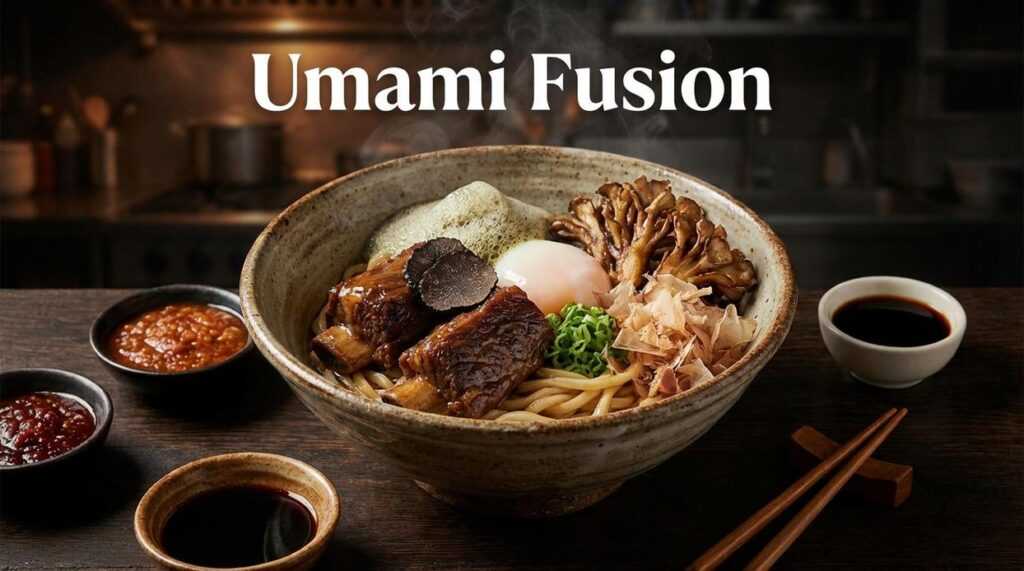
If you’ve ever wondered how to elevate your cooking beyond the usual salt-and-pepper routine, you’re in the right place. This article explores bold, globally inspired ideas that help you rethink ingredients, refine your prep, and experiment with confidence in your own kitchen. Whether you’re searching for creative twists on weeknight meals or curious about unexpected flavor pairings that actually work, you’ll find practical guidance rooted in real culinary technique.
We’ve analyzed global food traditions, tested ingredient combinations, and consulted professional chefs and food science research to ensure every suggestion is both inventive and reliable. The goal isn’t just to inspire you—it’s to give you clear, actionable insights you can apply immediately.
From smart kitchen prep hacks to spotlighting underused ingredients, this guide is designed to expand your palate and sharpen your skills. Let’s explore flavors that surprise, techniques that simplify, and combinations that transform everyday cooking into something memorable.
Beyond salt and pepper lies a science-backed playground. Many cooks repeat familiar profiles, yet research shows novelty drives enjoyment. A 2011 study in Scientific Reports found that flavor compounds shared between ingredients predict successful matches (Ahn et al., 2011). That’s why strawberry and basil click—they share aromatic molecules. Even chocolate and chili work because capsaicin amplifies perceived sweetness. These unexpected flavor pairings aren’t gimmicks; they’re chemistry. • Try blue cheese with dark chocolate for contrast and shared methyl ketones. • Pair watermelon and feta to balance sugar with salinity. Pro tip: Start small, taste, adjust. Evidence beats habit every time.
The Science of Synergy: Why Unlikely Pairings Delight the Palate
Ever wondered why certain unexpected combinations just work? It’s not magic—it’s chemistry, contrast, and a bit of strategy you can use in your own kitchen.
First, flavor compounding explains why ingredients with shared chemical compounds taste harmonious together. For example, chocolate and blue cheese both contain similar flavor molecules called methyl ketones, which create depth and richness. That’s why chocolate and blue cheese can feel surprisingly balanced rather than bizarre (even if it sounds like a dare).
Second, the power of contrast makes food memorable. When creamy meets crunchy or sweet meets sour, your brain pays attention. Contrast stimulates multiple taste receptors at once, creating what scientists call sensory complexity—a key factor in food enjoyment (Spence, 2015). Think crispy bacon over soft scrambled eggs: different textures, better experience.
Third, use a flavor bridge—a linking ingredient that connects bold opposites. Honey, for instance, can soften spicy chili and round out sharp cheese. It acts as a mediator, helping flavors “speak the same language.”
To apply this practically:
- Identify shared compounds.
- Add contrasting texture.
- Introduce a bridging ingredient.
In short, treat this as a toolkit. Experiment intentionally, taste as you go, and trust your palate (pro tip: small test portions prevent big regrets).
Sweet Meets Savory: Mastering Umami and Complexity

Sweet and savory aren’t opposites—they’re collaborators. When you understand why certain ingredients click, you stop copying recipes and start engineering flavor. That’s where true complexity lives.
Strawberry & Black Pepper
Strawberries are rich in natural sugars and aromatic compounds. Black pepper contains piperine—the alkaloid responsible for its heat—which heightens perceived sweetness and sharpens aroma (Journal of Food Science). In other words, pepper doesn’t just add spice; it turns the volume up on fruit.
Try this: Macerate sliced strawberries with cracked black pepper and a splash of balsamic. Spoon over burrata or vanilla ice cream.
Some argue fruit should stay purely sweet. But that mindset ignores how chefs build contrast—the same principle behind salted caramel (and nobody complains about that).
Mango & Chili-Lime
Capsaicin—the compound that makes chilies hot—triggers heat receptors, while mango’s fructose softens the burn. Lime’s acidity cuts through both, preventing palate fatigue.
- Dice mango, toss with chili powder and lime zest for salsa.
- Blend into marinades for grilled chicken.
- Shake into a cocktail with tequila and fresh citrus.
It’s street food logic: balance heat, sweet, and acid in one bite.
Dark Chocolate & Parmesan
Here’s where we go deeper. Both dark chocolate and aged Parmesan contain glutamates, natural compounds responsible for umami (the savory “fifth taste”). That shared backbone explains their synergy.
Shave Parmesan over a dark chocolate tart—or melt a rind into chili for depth that tastes almost mysterious.
Pro tip: explore more unexpected flavor pairings while experimenting with structure in baking, like in testing alternative flours in everyday baking.
Master contrast, and complexity follows.
Earthy & Acidic: Grounding Flavors with a Bright Finish
I’ll say it: earthy flavors can get boring fast. Earthy—that deep, soil-like richness found in mushrooms, beets, or even some greens—needs contrast. Without acid (that sharp, tangy note from ingredients like citrus or vinegar), dishes feel heavy, like a meal that forgot to open a window.
Mushroom & Lemon is proof. Mushrooms are packed with umami (the savory “fifth taste” identified by Japanese chemist Kikunae Ikeda in 1908), but too much can feel dense. Citric acid from lemon slices through that richness. Finish a creamy mushroom pasta or risotto with fresh lemon juice and zest. It’s the difference between “nice” and “can I get seconds?” (Trust me.)
Beetroot & Orange works because sweetness softens beets’ soil-like intensity, while acidity brightens everything. Toss roasted beets with orange segments, goat cheese, and citrus vinaigrette. It’s vibrant, almost jewel-toned—like something out of a glossy food magazine spread.
Avocado & Grapefruit might be my favorite. Grapefruit’s bitterness balances avocado’s fattiness, creating tension in the best way. Build a breakfast bowl or salad around it.
Pro tip: Always add acid at the end. Heat dulls brightness, and timing is everything.
Balanced heat isn’t about taming spice—it’s about directing it.
Balanced heat isn’t about taming spice—it’s about directing it.
In culinary science, capsaicin triggers pain receptors, while menthol activates cold-sensitive ones, creating contrast rather than cancellation.
Competitors talk flavor; few explain the neurology behind it.
-
Jalapeño & Mint Why it works: menthol delivers a physiological cooling sensation that soothes capsaicin’s burn. Actionable tip: muddle both into a spicy margarita or fold into a mint-jalapeño chutney for lamb.
-
Gochujang & Cucumber Why it works: cucumber’s high water content and crispness temper fermented heat. Actionable tip: toss quick-pickled slices with a gochujang-based dressing for snap.
Think beyond expected duos; unexpected flavor pairings succeed when texture, temperature, and chemistry align (yes, it’s edible physics).
Pro tip: salt amplifies cooling perception, so season lightly before serving to sharpen contrast.
Master balance, and heat stops shouting and starts singing.
That’s the difference between burn and brilliance on the plate.
Control creates culinary confidence.
Your kitchen isn’t a rulebook; it’s a laboratory. We’ve shown you not just what works, but why it works—so you can trade recipe dependence for creative control. On one side, rigid step-by-step cooking keeps meals safe but predictable. On the other, principle-driven cooking—contrast, complement, and balance—turns dinner into discovery. Instead of flavor fatigue, you get momentum. Think sweet versus heat, rich versus bright. Consider strawberries and black pepper: surprising, yet logical. Start small. This week, test one pairing. Then, using the Flavor Bridge—an ingredient that connects two extremes—design your own combination and taste the difference. No more boring meals ever.
Keep Exploring Bold Flavors
You came here looking for fresh inspiration, smarter kitchen prep, and creative ways to bring global flavors into your cooking—and now you have the tools to do exactly that. From ingredient spotlights to practical prep hacks, you’re equipped to move beyond routine meals and start creating dishes that actually excite you.
The frustration of bland, repetitive cooking is real. No one wants to spend time in the kitchen only to end up with flavors that fall flat. By experimenting with unexpected flavor pairings, refining your techniques, and approaching each recipe with curiosity, you turn everyday ingredients into memorable meals.
Now it’s your move. Pick one new ingredient, try one bold combination, and apply one prep hack this week. Small changes create dramatic improvements in taste and confidence.
If you’re ready to stop playing it safe and start cooking with creativity and precision, explore more flavor guides and kitchen strategies today. Join thousands of home cooks who are already transforming ordinary meals into unforgettable experiences—start experimenting now.