If you’re searching for fresh inspiration in the kitchen, you’re likely looking for more than just recipes—you want to understand the flavors, techniques, and ideas shaping modern cooking. This article explores the forces behind today’s most exciting food movements, highlighting global flavor influences, standout ingredients, and practical experimentation tips you can actually use at home.
We dive into the culinary innovation drivers transforming everyday meals into memorable experiences—from cross-cultural flavor fusion to smarter prep strategies that save time without sacrificing taste. You’ll discover how to identify trending ingredients, experiment confidently with new combinations, and refine your kitchen workflow with efficient prep hacks.
Our insights are grounded in ongoing research into global food trends, hands-on recipe testing, and analysis of emerging culinary techniques. Whether you’re an adventurous home cook or simply looking to elevate weeknight dinners, this guide will help you cook with more creativity, confidence, and flavor awareness.
Twenty years ago, my family’s dinner plate meant roast chicken, steamed carrots, and mashed potatoes. Last week, I served miso-glazed eggplant with fermented chili honey and smoked salt foam (yes, my kids asked questions). The leap is staggering.
We savor the creativity, yet the forces behind it often stay hidden. This article unpacks the culinary innovation drivers reshaping how we cook and eat, from ancient fermentation to AI-powered menu testing.
You’ll discover:
- How global trade reshapes flavor access
- Why social media accelerates trends
- Where technology meets tradition
By the end, you’ll see the modern plate with clarity.
The Technological Revolution in the Kitchen
Precision Cooking for All
Not long ago, sous-vide (a method of cooking food sealed in a bag at a precisely controlled temperature) was reserved for Michelin-star kitchens and food science labs. Today, countertop immersion circulators and precision induction burners bring laboratory-level accuracy home. Induction cooking uses electromagnetic energy to heat pans directly, offering temperature adjustments within a few degrees. The benefit? Steak cooked edge-to-edge pink, custards that never curdle, and vegetables that retain vibrant color and nutrients (no more gray broccoli). Some argue this removes the “art” from cooking. But consistency doesn’t kill creativity—it frees you to experiment boldly because the fundamentals are locked in. Precision becomes your safety net.
Smart Kitchen Integration
Smart ovens, connected thermometers, and recipe apps now sync seamlessly, guiding users through multi-step dishes with real-time alerts. Inventory management tools track ingredients and suggest meals before food spoils, cutting waste and saving money. Critics worry about overreliance on screens. Fair point. Yet automation handles repetition so you can focus on flavor layering and presentation—like having a sous-chef who never calls in sick.
The Rise of Food Tech
Emerging tools such as 3D food printing and AI-driven recipe development push boundaries further. AI analyzes flavor compounds to suggest unexpected pairings—think chocolate and chili, but smarter. These advancements, powered by culinary innovation drivers, aren’t gimmicks; they expand access, efficiency, and imagination in everyday cooking.
Globalization of the palate didn’t begin with Instagram—but you’d be forgiven for thinking it did. The so-called Digital Spice Route, powered by TikTok food trends and algorithm-driven discovery, has compressed centuries of culinary exchange into a few scrolls. A home cook in Ohio can watch a Seoul street vendor fold gochujang into noodles and attempt it that same night. That speed is unprecedented (Marco Polo could never).
But here’s the contrarian take: access doesn’t equal understanding. Just because a recipe goes viral doesn’t mean it carries cultural context. Still, the upside is undeniable. Improved global supply chains now stock yuzu juice, aji amarillo paste, and black garlic in everyday supermarkets. These ingredients—once limited to specialty importers—are now weeknight staples. That accessibility reshapes what feels “normal” on a dinner plate.
This is where culinary innovation drivers come into play. When ingredients travel, ideas follow. Chefs fuse Korean fermentation with Mexican street corn. Home cooks swirl tahini into pasta sauce. Some critics argue fusion dilutes tradition. I’d argue the opposite: experimentation keeps food alive. Tradition isn’t a museum exhibit; it’s a living practice.
Of course, not every mashup works (sushi burritos are still divisive). But cross-pollination pushes boundaries and sparks creativity. The result? A world of flavors on one plate—less about authenticity policing, more about thoughtful exploration.
The Science of Delicious: From Food Labs to Your Countertop
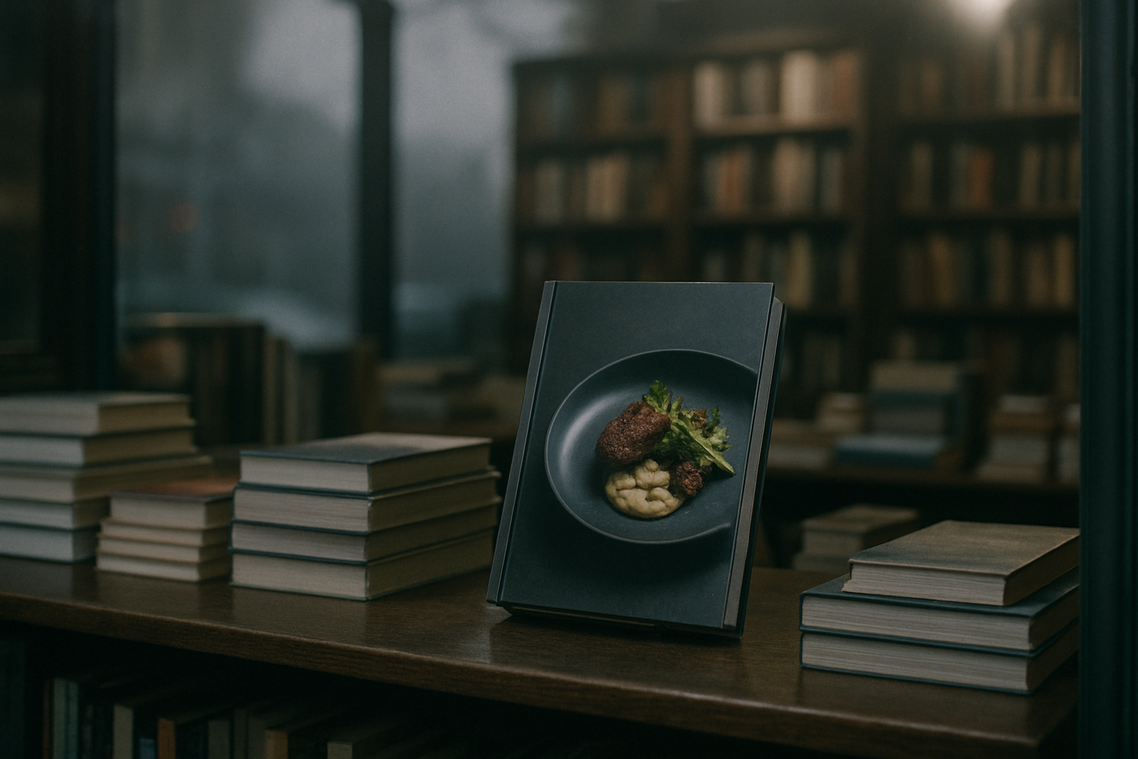
Molecular gastronomy sounds intimidating, but at its core, it’s simply the science of how ingredients behave. Spherification (a technique that turns liquids into caviar-like pearls using sodium alginate and calcium salts) isn’t just for Michelin-starred chefs—it can elevate a simple mango puree into a burst-in-your-mouth garnish. Likewise, foams use lecithin or cream chargers to trap air, creating lighter textures without changing flavor. And gels, formed with agents like agar-agar, allow you to reshape sauces into sliceable forms (yes, edible geometry is a thing).
However, flashy techniques mean little without understanding the “why.” The Maillard reaction—the chemical reaction between amino acids and sugars that creates browned, complex flavors—explains why searing steak matters (Harold McGee, On Food and Cooking). Enzymatic browning, triggered when cut apples meet oxygen, can be controlled with acid. Fermentation, driven by beneficial microbes, enhances flavor and preservation (FAO, 2019). When you grasp these fundamentals, cooking shifts from guesswork to intuition.
Some argue that food science overcomplicates home cooking. Fair point. Yet research and development kitchens prove otherwise. Their experiments—once exclusive—gradually shape everyday habits and even inform the top food trends shaping modern kitchens in 2026. These culinary innovation drivers filter down into better tools, smarter prep, and more consistent results.
In other words, today’s lab breakthrough is tomorrow’s countertop staple (and possibly your next dinner party flex).
Sustainability and Sourcing: The Conscious Kitchen Movement
The farm-to-table philosophy isn’t just a trend; it’s a flavor upgrade. By prioritizing local, seasonal ingredients (food harvested at peak ripeness), chefs capture brighter acidity in tomatoes and sweeter depth in carrots. In contrast to critics who call it limiting, seasonality actually expands creativity—strawberry gazpacho in summer simply tastes better because freshness isn’t traveling 1,500 miles (USDA notes produce can travel that far on average).
Meanwhile, minimizing waste through nose-to-tail and root-to-leaf cooking transforms “scraps” into signatures—think broccoli-stem pesto or crispy chicken skin dust. These practices are quiet culinary innovation drivers competitors rarely quantify.
And then there’s the plant-based push. Rather than mimic meat, forward-thinking kitchens build umami with miso, char, and fermentation—techniques explored in modern global flavors at global flavors.
Your Next Culinary Adventure Awaits
By now, you’ve seen how technology hums beside the stovetop, how global access stocks your pantry with fragrant spices, how science explains the sizzle, and how sustainability reshapes every choice. These culinary innovation drivers aren’t abstract—they’re the reason your kitchen smells like toasted sesame one night and slow-simmered tomato the next.
At its heart, the modern kitchen is a living lab where tradition meets innovation. Copper pans gleam, herbs crackle in hot oil, and curiosity pulls you forward.
So, why not begin? Try one new technique or ingredient this week—and taste the evolution yourself today.
Bring Global Flavor Into Your Kitchen Today
You came here looking for fresh inspiration, smarter techniques, and deeper insight into the flavors shaping modern cooking—and now you have it. From ingredient spotlights to practical prep hacks, you’ve seen how small shifts in technique and perspective can completely transform what happens on your plate.
The real challenge isn’t finding recipes. It’s breaking out of repetitive meals and discovering the culinary innovation drivers that elevate everyday cooking into something memorable. When you understand how global flavors, smart ingredient swaps, and intentional experimentation work together, you stop cooking on autopilot—and start creating with purpose.
Now it’s your move.
Put one new technique into practice this week. Try one unfamiliar ingredient. Experiment with a bold flavor combination. Momentum in the kitchen starts with a single decision.
If you’re ready to overcome bland routines and cook with confidence, explore more expert-backed flavor insights and kitchen-tested tips trusted by home cooks who crave creativity. Start experimenting today and turn your next meal into something unforgettable.