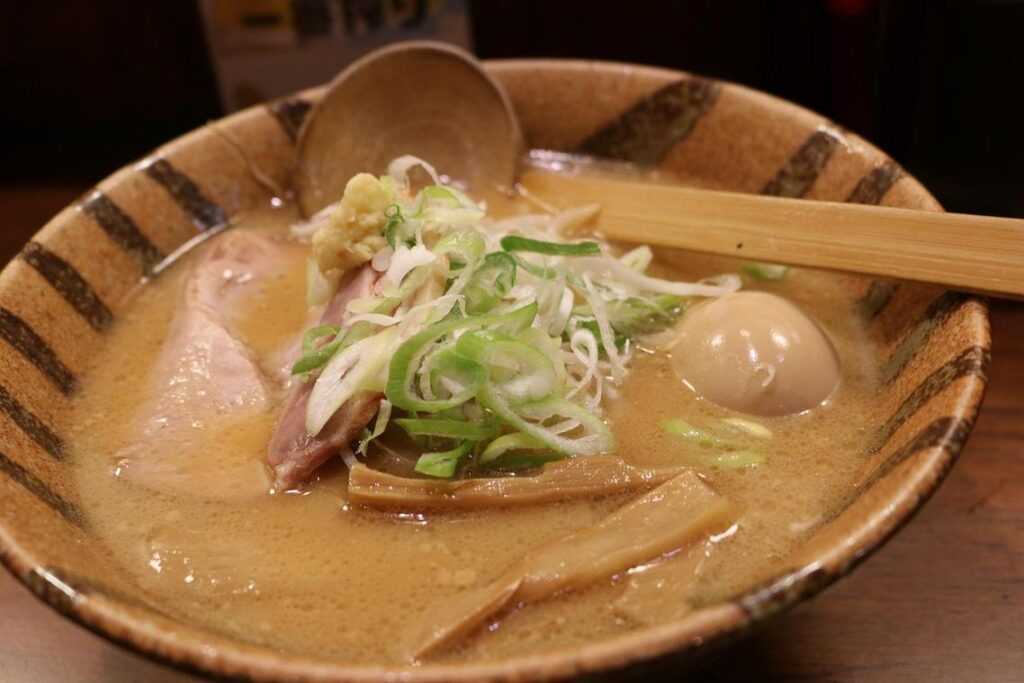
If you’re curious about cooking with miso, you’re likely looking for more than just a basic definition—you want to know how to use it, why it works, and how it can transform everyday dishes. This article explores the depth of flavor miso brings to your kitchen, from enhancing soups and marinades to adding unexpected richness to vegetables, proteins, and even desserts.
We break down the different types of miso, how to pair them with global ingredients, and practical tips to help you experiment with confidence. Whether you’re new to Japanese pantry staples or looking to expand your culinary range, you’ll find clear guidance rooted in tested techniques and flavor expertise.
By combining culinary experimentation with practical kitchen prep hacks, this guide shows you exactly how to make miso a versatile, reliable ingredient in your cooking routine—so every dish delivers deeper, more complex flavor.
Curious about miso? You’re not alone. This fermented soybean paste—created through a koji (cultured grain) fermentation process—delivers umami, the savory “fifth taste” identified by scientist Kikunae Ikeda in 1908. Yet many home cooks hesitate. Is white milder than red? Will it overpower a dish?
Here’s the truth: research shows fermentation boosts beneficial compounds and flavor complexity (Journal of Food Science, 2013). In other words, miso isn’t just trendy—it’s transformative.
In this guide, you’ll decode varieties, master cooking with miso, and learn simple swaps for dressings, marinades, and even desserts. By the end, you’ll confidently choose, taste, and experiment beyond soup.
What is Miso? The Fermented Powerhouse Explained
Additionally, if you’re looking to adapt these flavorful miso recipes to accommodate specific dietary needs, be sure to check out our guide on How to Adjust Recipes for Dietary Restrictions to ensure everyone can enjoy the benefits of cooking with miso.
Miso is a traditional Japanese seasoning made by fermenting soybeans with salt and kōji (a cultivated mold called Aspergillus oryzae that kickstarts fermentation). Fermentation is a controlled aging process where microbes break down ingredients, creating deeper flavors and new nutrients. Think of it like how milk becomes yogurt—time transforms everything.
Its signature taste is umami, a savory, mouth-filling richness recognized as the fifth basic taste (sweet, sour, salty, bitter, and umami). That complexity comes from natural glutamates formed during fermentation (the same savory magic behind Parmesan and even instant ramen seasoning).
Health-wise, miso contains probiotics—beneficial bacteria that support gut health—plus minerals like manganese and copper (Harvard T.H. Chan School of Public Health).
If you’re new to cooking with miso, start here:
- Stir white miso into soups or salad dressings.
- Whisk into butter for roasted vegetables.
Pro tip: Add miso at the end of cooking to preserve its probiotic benefits.
A Rainbow of Flavor: Decoding the Types of Miso
Miso isn’t just one ingredient—it’s a spectrum shaped by fermentation, a process where microbes transform soybeans and grains into savory depth. The longer miso ferments, the darker and stronger it becomes (think coffee roast levels, but for soup).
White Miso (Shiro)
First, white miso ferments for a shorter time—sometimes just a few weeks to three months—resulting in a pale color and mild, slightly sweet flavor. Because of its lower salt content and gentle profile, it shines in salad dressings, light sauces, and fish marinades. In fact, a 2018 review in Foods noted that shorter fermentation preserves more subtle sugars, explaining its delicate sweetness.
Yellow Miso (Shinshu)
Next comes yellow miso, often called the all-purpose variety. With a medium fermentation period, it develops an earthy, balanced flavor. It’s ideal for soups, glazes for chicken, and vegetable dishes—essentially your weekday workhorse (the cast-iron skillet of the miso world).
Red Miso (Aka)
By contrast, red miso ferments the longest—sometimes over a year—creating a dark color and bold, salty depth. Studies show extended fermentation increases umami compounds like glutamates (Journal of Bioscience and Bioengineering, 2012). Use it in hearty stews, braises for red meat, and robust marinades.
Quick Tip: Awase Miso
Finally, awase miso blends white and red for versatility. When cooking with miso, this balanced option adapts beautifully to almost anything.
Beyond the Soup Bowl: Creative Ways to Cook with Miso
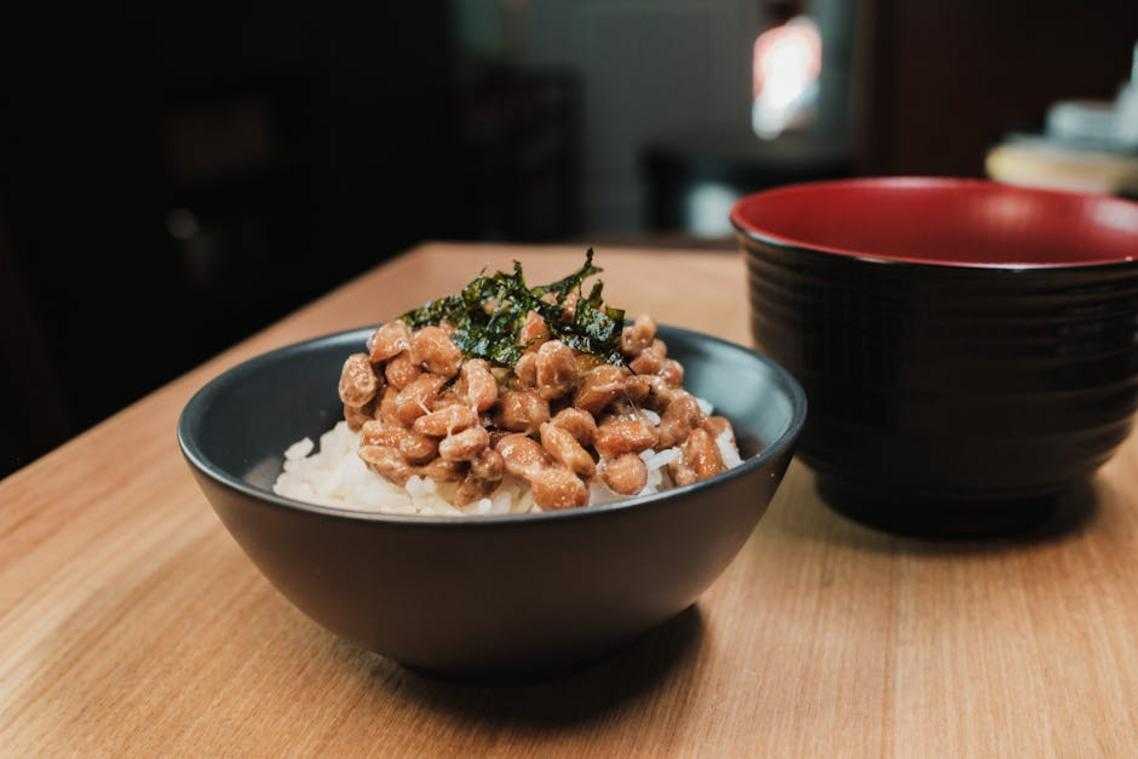
Miso is often typecast as the star of soup—but that’s like saying tomatoes are only good for ketchup. This fermented soybean paste (a traditional Japanese ingredient aged to develop deep, savory flavor) delivers umami, the “fifth taste” identified by scientist Kikunae Ikeda in 1908 (Journal of the Chemical Society of Tokyo). If you’re serious about cooking with miso, start branching out.
For Marinades and Glazes
Miso’s salt content and natural enzymes help tenderize proteins while encouraging caramelization. I recommend stirring white or yellow miso with a touch of honey and rice vinegar for Miso-Glazed Salmon—broil until the top bubbles and browns. Or rub Miso-Marinated Chicken with garlic and sesame oil, then roast. (That lacquered crust? That’s flavor doing a mic drop.)
For Dressings and Sauces
Skip plain vinaigrettes. Whisk a spoonful of miso with grated ginger, rice vinegar, and neutral oil for a punchy Miso-Ginger dressing. It clings beautifully to shredded cabbage or grain bowls. Prefer creamy? Blend miso into mayo or tahini for instant depth. Pro tip: Thin with warm water, not cold—it blends faster and smoother.
For Vegetables
Toss roasted broccoli, eggplant, or sweet potatoes with a small dab of miso mixed with butter or olive oil right at the end. The residual heat melts it into a glossy coating without burning.
The Unexpected Use – Desserts
Yes, sweets. A teaspoon of miso in caramel sauce heightens complexity (salt amplifies sweetness, per Harvard T.H. Chan School of Public Health). Try Miso Caramel Sauce over ice cream or fold miso into chocolate chip cookie dough—think salted caramel vibes, but subtler.
If you love experimenting, explore 10 creative ways to use chickpeas beyond hummus next.
Essential Miso Tips for the Home Cook
A Little Goes a Long Way: Miso is fermented, which concentrates its savory umami compounds like glutamates. Research shows umami can enhance flavor perception even at low concentrations (Yamaguchi, 1998). So, start with a teaspoon and build gradually—its saltiness climbs fast (think of it as soy sauce’s deeper, funkier cousin).
Don’t Boil It: High heat can dull volatile aroma compounds and reduce live cultures; one study found probiotic viability drops sharply above 60°C (Marco et al., 2017). Therefore, stir it in at the end of soups and stews.
Make a Slurry: First, whisk miso with warm broth to prevent clumps, then fold it back in.
Flavor Pairing: Finally, pair with ginger, garlic, sesame oil, mirin, or citrus; these brighten cooking with miso and balance its depth. Pro tip: white miso suits dressings, while red stands up to braises. Taste, adjust, and repeat confidently.
Your Next Culinary Adventure with Miso
At first, I treated miso like a one-trick pony—good for soup, intimidating everywhere else. I once whisked it straight into a sauce without dissolving it first (rookie mistake), and ended up with salty clumps instead of silky depth. Lesson learned: a little technique goes a long way.
Now, here’s the shift. Miso isn’t just for soup—it’s a fermented soybean paste, meaning it’s rich in umami (that savory “fifth taste”) and packed with complexity. From marinades to caramel sauces, it quietly upgrades almost anything. In fact, chefs worldwide use fermented ingredients to build flavor layers (see: Sandor Katz’s work on fermentation science).
If you were once wary, consider that fear officially outdated. By understanding the basic types—white for mild sweetness, red for bold intensity—and a few simple techniques, cooking with miso becomes second nature.
So this week, try one idea—maybe that Miso-Ginger dressing. Start small. Taste, adjust, repeat. That’s how flavor journeys begin.
Bring More Depth to Your Kitchen with Miso
You came here to better understand cooking with miso—how to use it, why it matters, and how it can transform everyday meals. Now you know it’s more than just a soup base. It’s a powerhouse ingredient that adds depth, balance, and bold umami to everything from marinades to desserts.
If you’ve ever felt like your dishes were missing that “something,” that subtle richness that makes flavors linger, miso is the answer. Bland sauces, flat soups, and predictable meals don’t have to be your norm.
The next step is simple: start experimenting. Swap salt for miso in your next glaze. Whisk it into salad dressings. Stir it into roasted vegetables. Small changes create big flavor upgrades.
Thousands of home cooks are already elevating their meals with smart ingredient techniques and flavor-forward strategies. Don’t let your cooking stay one-dimensional. Start exploring new combinations today and turn your kitchen into a place of bold, unforgettable flavor.