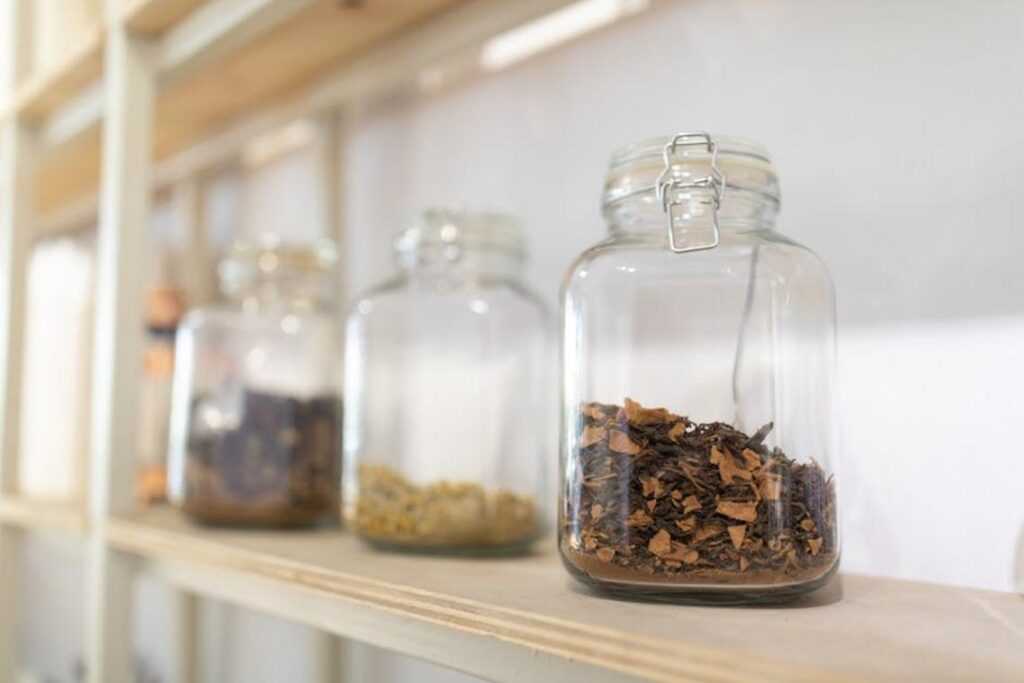
You bought a beautiful bunch of cilantro or parsley with the best intentions—only to find it wilted, slimy, and headed for the trash two days later. It’s a frustrating (and expensive) cycle. This fresh herbs storage guide is designed to put an end to that waste for good.
Inside, you’ll learn simple, proven methods to dramatically extend the life of both tender and hardy herbs, keeping them vibrant and flavorful for weeks. These are practical, time-tested kitchen prep techniques used in professional kitchens every day—so you can always have fresh flavor ready for your next meal without throwing money away.
The first rule of herb storage is simple: know your type. Not all herbs are created equal, and the difference shows up in their stems. Broadly speaking, they fall into two functional categories, each with distinct structural features that determine how they should be stored.
Tender vs. Hardy: Key Features
Tender herbs have soft, pliable stems and delicate leaves. Because their cell walls are thin, they lose moisture rapidly and wilt within hours if left exposed. Common examples include:
- Cilantro
- Parsley
- Basil
- Mint
- Dill
Hardy herbs, by contrast, grow on woody, fibrous stems. Their leaves are sturdier and contain less surface moisture, which means they resist wilting but can trap excess water and develop mold. Think rosemary, thyme, oregano, sage, and chives.
Why does this matter? Simply put, storage methods must match structure. Tender herbs benefit from hydration-focused storage, while hardy herbs require controlled dryness. Using the same approach for both is a recipe for limp leaves or fuzzy spoilage.
In other words, a proper fresh herbs storage guide starts with classification. Get that right, and everything else becomes easier (and far less wasteful). After all, precision in prep preserves flavor, texture, and your grocery budget. Smart storage saves money.
The Bouquet Method: How to Store Tender, Soft-Stem Herbs
For those who love to enhance their dishes with fresh herbs, mastering proper storage techniques can elevate your cooking even further—especially when paired with the best cooking gadgets, like the top air fryers featured in our article on Tbtechchef – for more details, check out our Top Air Fryers Tbtechchef.
If you’re tossing limp cilantro into the trash every week, here’s my clear recommendation: stop refrigerating tender herbs loose in plastic. Treat them like flowers instead. This simple shift can stretch their life to two or even three weeks.
Treat Them Like Flowers
Tender herbs—like parsley, cilantro, dill, and mint—have soft stems, meaning they lose moisture quickly and wilt fast. The bouquet method slows that moisture loss by creating a humid (but breathable) environment.
Step 1 – Trim the Stems
Snip off about half an inch from the bottom. This exposes fresh tissue so the herbs can absorb water more effectively (just like roses in a vase).
Step 2 – Add Water
Place the bundle upright in a jar with an inch of cool water. Not submerged—just enough to cover the stems.
Step 3 – Cover Loosely
Drape a plastic produce bag over the leaves. Think of it as a mini greenhouse: humidity stays in, airflow isn’t blocked.
Step 4 – Refrigerate
Store the jar in the fridge and change the water every couple of days. Pro tip: If the water looks cloudy, change it immediately—bacteria shortens shelf life (USDA recommends keeping refrigerated produce clean and cold at 40°F or below).
The Basil Exception
Basil is tropical. Cold temps cause chilling injury—blackened leaves and loss of aroma (University of Florida IFAS Extension). Store basil the same way, but leave it on the counter at room temperature.
If you want a complete fresh herbs storage guide, start here—and while you’re refining your prep habits, explore why turmeric is a superfood staple in modern cooking:
why turmeric is a superfood staple in modern cooking
The Damp Towel Wrap: The Best Way to Store Hardy, Woody Herbs
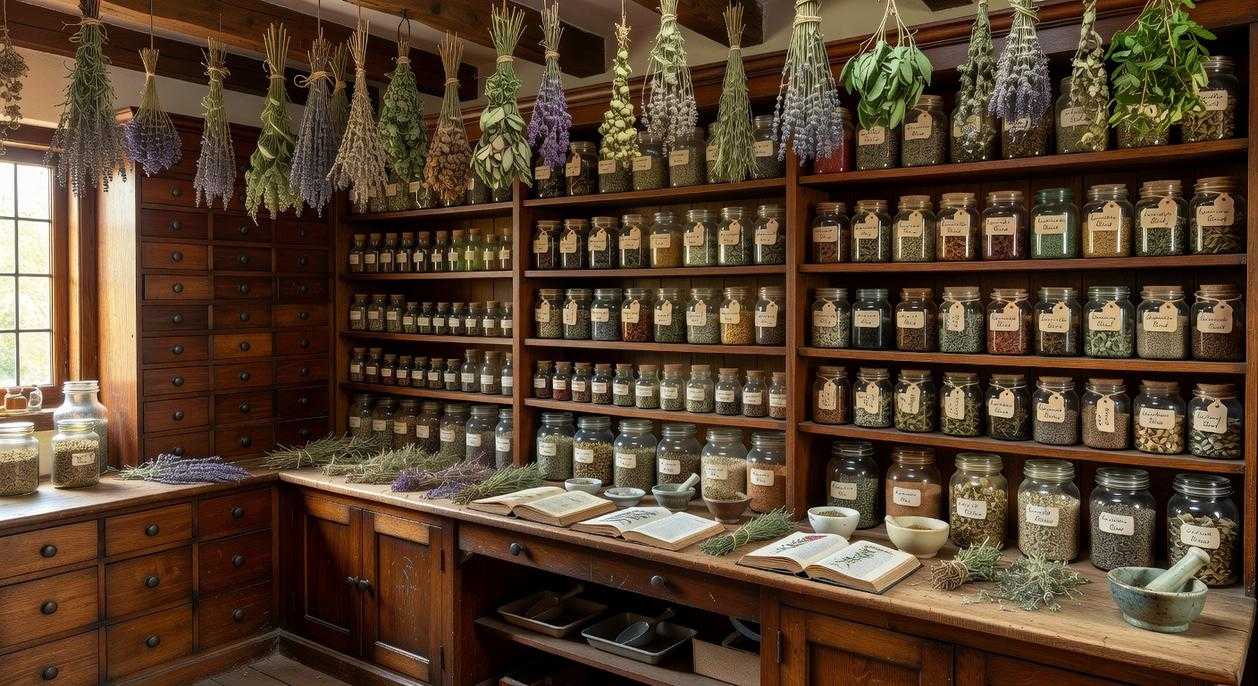
Hardy, woody herbs like rosemary, thyme, and sage don’t need a vase of water to thrive in your fridge. What they need is controlled humidity. Too dry, and they shrivel. Too wet, and they mold (and no one wants fuzzy thyme).
Step 1 – Gentle Rinse & Dry
If your herbs are dirty, rinse them quickly and pat them completely dry. Excess surface water speeds up spoilage by encouraging microbial growth (the main culprit behind slimy leaves, according to USDA food safety guidance).
Step 2 – Dampen a Paper Towel
Lightly dampen a paper towel. It should feel moist, not dripping. This creates a humid microclimate—basically a tiny spa for your herbs.
Step 3 – Roll Them Up
Lay herbs in a single layer and gently roll them into the towel bundle. This prevents bruising while keeping moisture evenly distributed.
Step 4 – Store in an Airtight Container
Place the bundle in a zip-top bag or airtight container inside the crisper drawer. Stored this way, hardy herbs can last over three weeks.
What’s in it for you? Less waste, better flavor, and fewer last-minute grocery runs. Consider this your go-to method in any fresh herbs storage guide—simple, efficient, and surprisingly powerful.
Beyond the Fridge: Long-Term Preservation Hacks
When your garden (or farmers market haul) goes wild and you’re staring at more herbs than you can possibly use, freezing is your best long-term solution. It locks in flavor far better than letting bunches wilt in the crisper drawer.
The Ice Cube Tray Trick is simple and effective:
- Finely chop herbs like parsley, chives, or oregano.
- Pack them into an ice cube tray.
- Top with water or olive oil.
- Freeze, then transfer cubes to a sealed bag.
Pop a cube straight into soups, stews, or sauces—no thawing needed. The heat releases that just-chopped aroma instantly (weeknight dinner win).
What about drying? It works for hardy herbs like oregano and thyme, but it alters their flavor profile significantly. You lose that bright, fresh-picked taste. Freezing preserves it far better.
Pro tip: Label your bags with dates so you rotate stock efficiently. For more practical storage ideas, consult a reliable fresh herbs storage guide to avoid waste.
Make Every Bunch Count
You wanted a simple, reliable way to stop throwing away wilted herbs—and now you have it. With this fresh herbs storage guide, you can finally break the waste cycle and keep your ingredients vibrant far longer.
The secret is simple: identify tender or hardy, then use a water bouquet or damp towel wrap. That small shift turns a few short-lived days into weeks of fresh flavor.
If you’re tired of wasting money on spoiled herbs, put this method to work today. Thousands of home cooks trust these proven kitchen prep hacks—now it’s your turn. Try it with your next bundle and taste the difference.