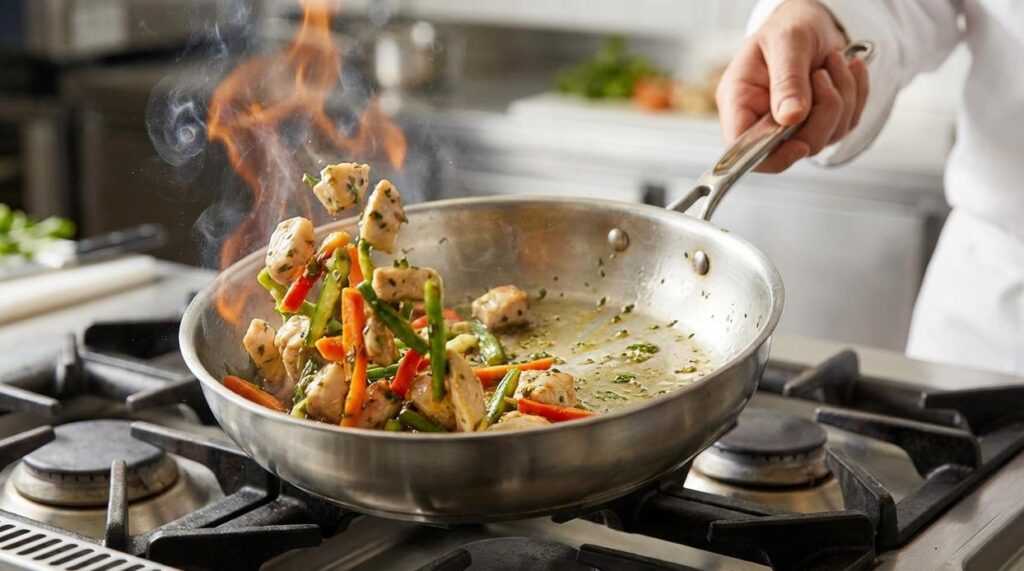
Great cooking starts with curiosity—and the right guidance to turn that curiosity into something delicious. If you’re here, you’re likely looking to expand your skills, explore global flavors, and gain practical insights that actually work in a real kitchen. This article is designed to do exactly that.
We’ll break down key techniques, spotlight essential ingredients, and share smart prep strategies that make cooking more intuitive and enjoyable. By focusing on understanding cooking methods, you’ll learn not just what to do, but why it works—so you can confidently experiment, adapt recipes, and create dishes that reflect your own taste.
Our approach combines culinary research, hands-on experimentation, and tested kitchen hacks to ensure every tip is practical and reliable. Whether you’re refining your basics or exploring new flavor profiles, you’ll walk away with actionable knowledge you can use immediately in your kitchen.
From following recipes to cooking means asking why. Heat and moisture drive every dish; control them and you shape flavor, texture, aroma. When steak sears, the Maillard reaction (a browning process) creates depth. When vegetables steam, water softens fibers. Some say recipes are enough—just follow steps. But without understanding cooking methods, you cannot adapt when the oven runs hot or a sauce splits. It’s like learning chords before jazz.
Next, ask:
- How does dry heat differ from moist heat?
- When should you braise instead of roast?
- What changes if temperature rises?
Experiment, taste, adjust deliberately. Stay curious in practice.
Mastering Dry Heat: The Art of Browning and Flavor
As you explore various cooking methods, mastering the art of preparation can open the door to creative culinary experiences, much like the unique techniques detailed in our article on Gilkozvelex.
Dry-heat cooking is all about using hot air or fat to transfer heat to food—no water, no steam. This method creates deep, complex flavors through two key processes: caramelization (the browning of natural sugars) and the Maillard reaction (a chemical reaction between proteins and sugars that forms new flavor compounds). Think of the crust on a steak or the golden top of baked bread. That’s flavor chemistry at work, not kitchen magic.
Understanding these reactions is essential to understanding cooking methods and why dry heat produces bold, savory results.
Technique Comparison
| Technique | How It Works | Best For | Key Benefit |
|---|---|---|---|
| Roasting & Baking | Hot, circulating oven air |
Large meats, root vegetables | Even browning |
| Sautéing & Pan-Searing | High heat + small amount of fat | Small, tender pieces | Quick crust formation |
| Grilling & Broiling | Intense radiant heat | Steaks, burgers, kebabs | Smoky char |
Roasting & Baking
Roasting and baking use consistent oven heat to cook food evenly. Sturdy vegetables like carrots and squash caramelize beautifully, while poultry develops crisp, golden skin.
Pro Tip: Pat food dry and lightly oil it before cooking. Moisture creates steam, which blocks browning (and nobody wants pale potatoes). Avoid overcrowding the pan so hot air can circulate.
Sautéing & Pan-Searing
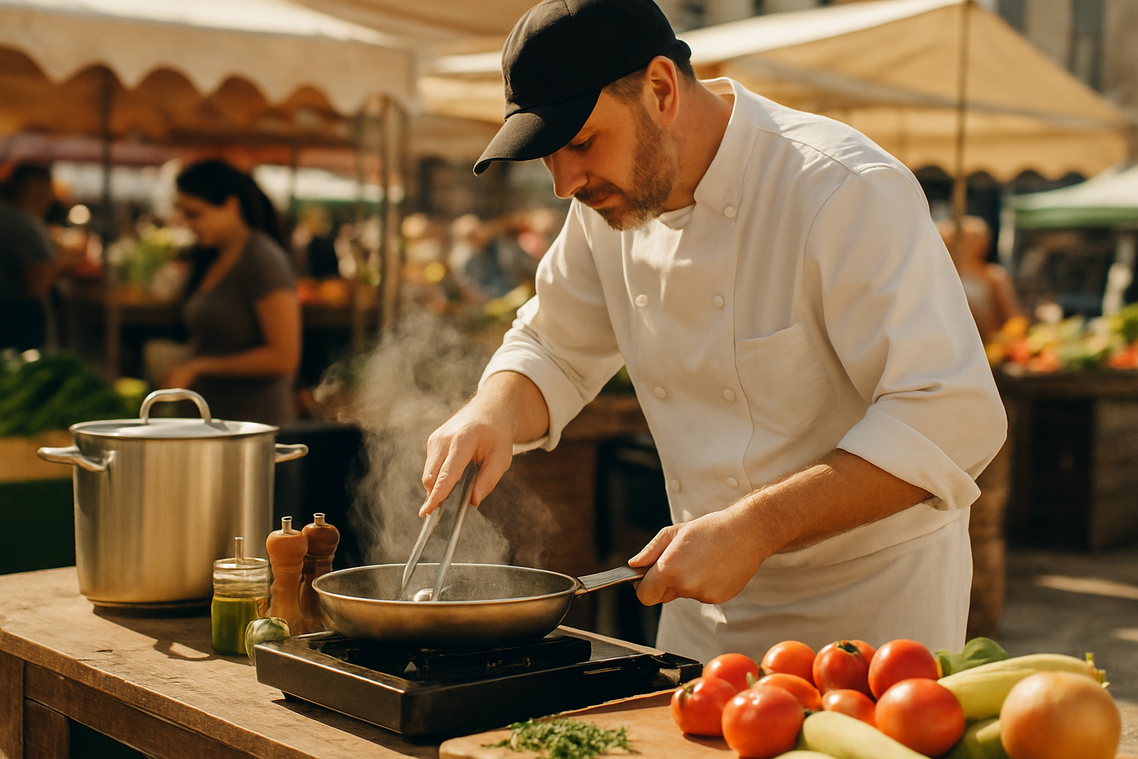
This method cooks food quickly in a hot pan with a thin layer of fat. It’s ideal for shrimp, sliced chicken breast, or mushrooms. The goal is a flavorful crust without overcooking the interior.
Heat the pan first—then add oil and food. If the pan isn’t hot enough, you’ll get sticking instead of searing.
Grilling & Broiling
Both apply intense radiant heat, either from below (grilling) or above (broiling). They’re perfect for steaks, burgers, and bell peppers. Create heat zones on a grill so you can sear, then finish gently without burning (unless you’re aiming for “campfire chic”).
Harnessing Moist Heat: For Tenderness and Infusion
Moist-heat cooking uses water, steam, or another water-based liquid to transfer heat to food. Instead of surrounding ingredients with dry air or fat, you surround them with moisture. The result? Gentle cooking, tender textures, and deep flavor infusion. If you’ve ever wondered why a tough cut of beef turns fork-soft in stew, this is why.
Some critics argue moist heat “washes out” flavor. That can happen—but only if you treat water like, well, plain water. With the right technique, liquid becomes a flavor carrier (think of it as a broth spa day for your food).
Technique 1: Poaching & Simmering
Poaching means submerging food in liquid at a low temperature (about 160–180°F), where the surface barely moves. Simmering is slightly hotter, with small, steady bubbles (around 185–205°F).
Best for:
- Eggs and fish (poaching)
- Soups, stocks, and legumes (simmering)
Because the heat is gentle, delicate proteins don’t seize up or dry out. Pro tip: Add herbs, lemon slices, garlic, or peppercorns to your poaching liquid. Flavor moves from liquid into food—not the other way around.
Technique 2: Steaming
Steaming cooks food with vapor from boiling liquid, without direct contact. This helps preserve nutrients and vibrant color in vegetables like broccoli and green beans (the bright green is no accident).
Best for:
- Vegetables
- Fish fillets
- Dumplings
Keep the water below the steamer basket and avoid lifting the lid repeatedly—each peek drops the temperature.
Technique 3: Boiling
Boiling cooks food fully submerged at 212°F (100°C). It’s more aggressive but ideal for pasta, potatoes, and blanching vegetables before freezing.
Salt pasta water generously—it’s your only chance to season the pasta itself.
Ultimately, understanding cooking methods helps you choose the right approach for texture and flavor. And if you’re adapting dishes, here’s a guide on how to adjust recipes for dietary restrictions to keep results consistent.
Combination cooking is where dry heat meets moist heat, giving you the deep flavor of a sear and the tenderness of a slow simmer. In other words, it’s the best of both worlds. First, you apply high, dry heat to build a golden-brown crust. Then, you add liquid, cover, and cook gently so tougher fibers break down. That’s the foundation of braising and stewing.
Braising starts with larger cuts, like chuck roast or lamb shank, seared until a dark crust forms. Those browned bits stuck to the pot are called fond, and they melt into your sauce once you deglaze with stock or wine. Pro tip: don’t rush the sear; moisture on the meat prevents browning, so pat it dry first. Afterward, add enough liquid to come halfway up the sides, cover, and simmer low and slow.
Stewing, on the other hand, uses smaller, fully submerged pieces, making it perfect for pork shoulder or beef cubes. Why does this matter? Because understanding cooking methods helps you turn tough, muscular cuts into fork-tender meals without guesswork. With patience and layered flavor, even humble ingredients taste restaurant-worthy. Add aromatics like onions, garlic, and herbs early for depth and finish with acid balance.
You now have a mental framework for cooking. But knowledge only matters when it hits the pan. Dry heat versus moist heat is your first comparison. Searing a steak builds a browned crust through the Maillard reaction (a chemical process that creates flavor when proteins and sugars meet heat), while braising short ribs slowly breaks down collagen into silky gelatin. One delivers intensity; the other delivers tenderness. Recipes tell you what to do, but understanding cooking methods tells you why. Choose grilling or steaming this week and notice the difference in texture, aroma, and flavor. Confidence follows practice. Start small.
Bring Global Flavors to Life in Your Own Kitchen
You came here looking to expand your skills, experiment with bold flavors, and feel more confident in the kitchen. Now you have the insights to explore new ingredients, refine your prep routine, and deepen your understanding cooking methods that transform simple components into unforgettable dishes.
Cooking frustration often comes from not knowing why something works — or why it doesn’t. When techniques feel unclear, flavors fall flat and time gets wasted. But when you understand the “how” behind each step, you gain control, creativity, and consistency.
Now it’s time to take action. Choose one new global ingredient this week. Test a different technique. Prep smarter. Taste as you go. Small experiments lead to big breakthroughs.
If you’re ready to stop second-guessing your meals and start cooking with confidence, explore more expert tips, flavor guides, and kitchen hacks today. Join thousands of passionate home cooks who are elevating their skills — and turn your next dish into your best one yet.