
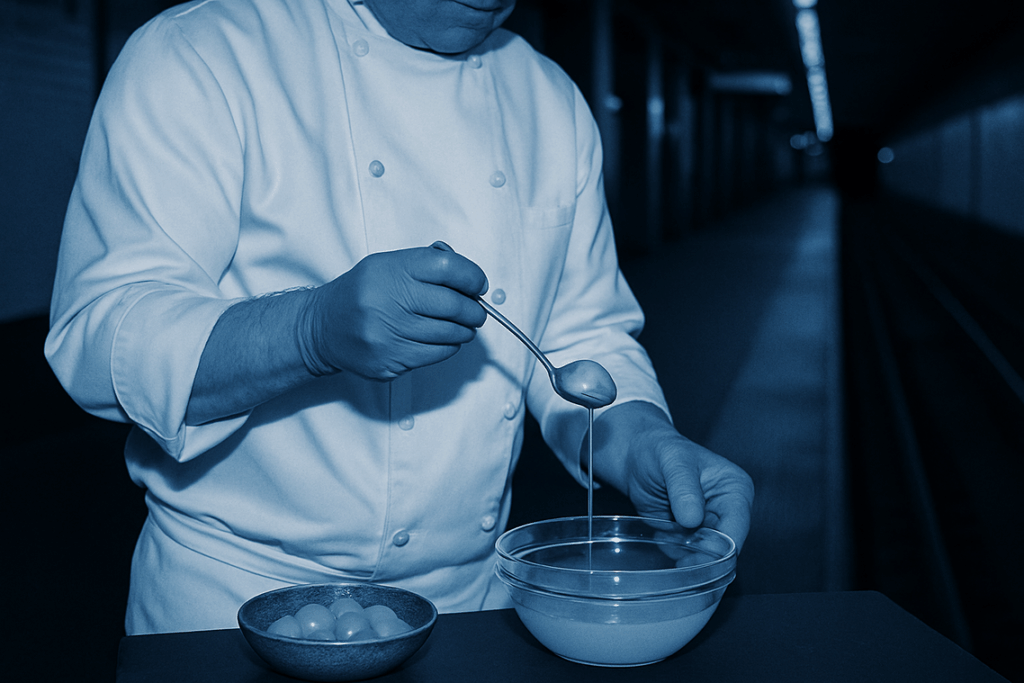
Curious about how to bring restaurant-level creativity into your own kitchen? If you’ve been searching for practical ways to explore bold flavors, unexpected textures, and molecular gastronomy at home, this article is designed for you. We’ll break down complex techniques into approachable steps, spotlight unique global ingredients, and share smart kitchen prep hacks that make experimentation less intimidating and more rewarding.
From flavor-pairing principles used by top chefs to simple tools that elevate everyday dishes, you’ll discover how to think differently about cooking—without needing a professional lab setup. Our guidance draws on extensive culinary research, tested techniques, and hands-on experimentation across a wide range of cuisines, ensuring every tip is practical, reliable, and achievable in a real home kitchen.
Whether you’re refining your skills or just starting to explore modern techniques, you’ll find clear, actionable insights to help you cook with more confidence, creativity, and precision.
Transforming your kitchen from weeknight workhorse to culinary playground doesn’t require a lab coat or a Michelin star. In fact, molecular gastronomy at home is less “Breaking Bad” and more weekend science fair (minus the exploding volcano). At its core, it’s the science of texture, temperature, and flavor interaction. For example, you can create fruit caviar using agar-agar (a plant-based gelling agent) and chilled oil. Meanwhile, simple foams come from soy lecithin and a hand blender. So, rather than fearing fancy terms, start experimenting with sauces and garnishes. Pro tip: master one technique at a time to build confidence quickly.
What Is “Kitchen Science”? Understanding the Basics
Kitchen science isn’t about lab coats or liquid nitrogen (leave that to Netflix cooking competitions). It’s about understanding why food behaves the way it does. Also known as molecular gastronomy, this approach looks at the chemical and physical changes that happen when you cook—like why eggs firm up with heat or how sugar caramelizes into deep, nutty sweetness (McGee, On Food and Cooking).
Some argue cooking should stay intuitive and tradition-based. Fair. But knowing the “why” gives you control. Instead of blindly following recipes, you start designing them.
At home, focus on three core ideas:
- Transformation: Turning cream into whipped peaks or grapes into jam.
- Emulsification: Blending oil and vinegar into stable vinaigrettes.
- Temperature Control: Precision heat for juicier proteins and better texture.
Using molecular gastronomy at home isn’t about complexity—it’s about confidence. (And yes, better brownies.)
Technique 1: Spherification – Creating Flavor Pearls
What It Is: Spherification is the art of turning liquids into delicate, edible spheres that burst with flavor (tiny culinary water balloons, basically). When you bite into them, they pop—releasing an intense hit of whatever delicious liquid you started with.
Why It’s Great for Home Cooks: It looks like something from a Michelin-star kitchen, yet it’s surprisingly doable. Think of it as molecular gastronomy at home—without needing a lab coat. A few pearls scattered over a salad or dessert instantly say, “Yes, I watch cooking shows.”
The Accessible Method: Reverse Spherification
This method is more forgiving (translation: harder to mess up).
| Ingredient | Amount |
|---|---|
| Balsamic vinegar | 60 ml |
| Calcium chloride | 2 g |
| Sodium alginate | 2 g |
| Water (for bath) | 500 ml |
Steps:
- Dissolve sodium alginate in water; blend and let rest 15 minutes.
- Stir calcium chloride into balsamic vinegar.
- Drop spoonfuls of vinegar into the alginate bath.
- Wait 60–90 seconds, then rinse in clean water.
Spoon these glossy pearls over a caprese salad. The creamy mozzarella meets sweet acidity, and suddenly your Tuesday dinner feels fancy (cue dramatic chef nod).
Technique 2: Culinary Foams & Airs – The Lightest Sauces Imaginable
Culinary foams and airs are ultra-light toppings made by trapping air inside a flavorful liquid. Think of them as edible clouds—intensely flavored but almost weightless (like sauce that went to finishing school). Using soy lecithin—a natural emulsifier that helps oil and water stay combined—you can transform fruit juice, broth, or herb-infused oil into a delicate foam.
Why This Is a Game-Changer
The biggest benefit? Maximum flavor without heaviness. You elevate a simple dish without drowning it in cream or butter. It’s a fast way to practice molecular gastronomy at home while keeping meals fresh and modern. Plus, presentation instantly jumps from weeknight to restaurant-level (your guests will notice).
Kitchen Prep Hack
Hydrate lecithin by blending 0.5–1% by weight into warm liquid and letting it sit 5 minutes. Then tilt your container and use an immersion blender at the surface to pull in air. Hold steady—don’t plunge. Skim the foam from the top for the most stable bubbles.
Actionable Recipe: Lemon-Herb Air
- Warm 1 cup lemon juice + herb-infused water.
- Whisk in 1 tsp soy lecithin; rest 5 minutes.
- Blend at the surface until foamy.
- Spoon over pan-seared fish.
Bright, aromatic, unforgettable. For more creative inspiration, explore unexpected flavor pairings that actually work.
Why Sous Vide Delivers Precision
Sous vide—French for “under vacuum”—is the technique of sealing food in a heat-safe bag and cooking it in a precisely controlled water bath. Unlike grilling or roasting, where temperatures fluctuate, immersion circulators hold water within a degree or two of your target. That means edge-to-edge doneness with zero guesswork.
As a result, it’s the ultimate gateway technique. Entry-level machines are now widely available and affordable, yet they offer professional-level control. Set 130°F and your steak will never creep to medium-well. Prefer juicy chicken breast? 150°F keeps it tender while meeting USDA safety guidelines (USDA).
However, steak is only the beginning. Because food cooks in a sealed environment, flavors intensify rather than evaporate. You can infuse herbs into carrots, create silky custards without curdling, or experiment with molecular gastronomy at home—without a lab coat.
For a perfect medium-rare steak, season generously with salt and pepper. No vacuum sealer? Use a zip-top bag and the water displacement method to push out air. Cook at 130°F for 1–2 hours. Then pat completely dry and sear in a ripping-hot pan for 60 seconds per side. That final crust delivers the contrast sous vide can’t. Every time, consistently flawless results.
Last winter, I found myself staring at the same roasted chicken I’d made for the third time. I loved it, but I was bored. That night, I promised to try something different, and that small decision changed everything.
You now have three clear options to spark your own shift:
- Flavor pearls that burst like tiny caviar on your tongue
- A light, savory foam that melts instantly
- Sous vide precision for perfectly tender results
What once felt intimidating about molecular gastronomy at home became surprisingly logical when I understood the why—how temperature, air, or natural gelling agents transform texture. (It’s basically kitchen science, minus the lab coat.)
Some argue these techniques are gimmicks, but I’ve found they build real confidence. Understanding the science gives you control over flavor and feel.
Choose one method and commit this week. Your next culinary adventure starts with a single, brave experiment. Start small, taste, adjust. Repeat.
To kick off your culinary adventure, why not explore some quick recipes that embrace both creativity and simplicity, as shared in our article “Fhthblog Quick Recipes From Fromhungertohope“?
Elevate Your Kitchen with Confidence
You set out to explore bold flavors, smarter techniques, and the creativity behind molecular gastronomy at home—and now you have the tools to do exactly that. From understanding unique ingredients to experimenting with texture and presentation, you’re no longer just following recipes. You’re creating experiences.
If you’ve ever felt stuck making the same dishes or unsure how to bring restaurant-level innovation into your own kitchen, that frustration ends here. Culinary growth happens when curiosity meets action—and you’re ready for both.
Now it’s time to take the next step. Choose one new technique, source one new ingredient, and experiment this week. Push your boundaries. Taste, adjust, refine.
If you want trusted guidance, practical kitchen hacks, and globally inspired techniques that actually work, start exploring more expert-backed insights today. Join thousands of passionate home cooks who are transforming everyday meals into unforgettable creations—dive in now and start cooking smarter.
 Regina Hoodecons has opinions about global flavors and fusions. Informed ones, backed by real experience — but opinions nonetheless, and they doesn't try to disguise them as neutral observation. They thinks a lot of what gets written about Global Flavors and Fusions, Culinary Buzz, Renkooki Culinary Experimentation is either too cautious to be useful or too confident to be credible, and they's work tends to sit deliberately in the space between those two failure modes.
Reading Regina's pieces, you get the sense of someone who has thought about this stuff seriously and arrived at actual conclusions — not just collected a range of perspectives and declined to pick one. That can be uncomfortable when they lands on something you disagree with. It's also why the writing is worth engaging with. Regina isn't interested in telling people what they want to hear. They is interested in telling them what they actually thinks, with enough reasoning behind it that you can push back if you want to. That kind of intellectual honesty is rarer than it should be.
What Regina is best at is the moment when a familiar topic reveals something unexpected — when the conventional wisdom turns out to be slightly off, or when a small shift in framing changes everything. They finds those moments consistently, which is why they's work tends to generate real discussion rather than just passive agreement.
Regina Hoodecons has opinions about global flavors and fusions. Informed ones, backed by real experience — but opinions nonetheless, and they doesn't try to disguise them as neutral observation. They thinks a lot of what gets written about Global Flavors and Fusions, Culinary Buzz, Renkooki Culinary Experimentation is either too cautious to be useful or too confident to be credible, and they's work tends to sit deliberately in the space between those two failure modes.
Reading Regina's pieces, you get the sense of someone who has thought about this stuff seriously and arrived at actual conclusions — not just collected a range of perspectives and declined to pick one. That can be uncomfortable when they lands on something you disagree with. It's also why the writing is worth engaging with. Regina isn't interested in telling people what they want to hear. They is interested in telling them what they actually thinks, with enough reasoning behind it that you can push back if you want to. That kind of intellectual honesty is rarer than it should be.
What Regina is best at is the moment when a familiar topic reveals something unexpected — when the conventional wisdom turns out to be slightly off, or when a small shift in framing changes everything. They finds those moments consistently, which is why they's work tends to generate real discussion rather than just passive agreement.