
If you’re exploring African Caribbean flavor pairings, you’re likely searching for bold combinations that bring depth, heat, sweetness, and vibrant contrast to your cooking. This article is designed to help you understand how these dynamic culinary traditions intersect—blending aromatic spices, tropical fruits, slow-cooked stews, and bright marinades into unforgettable dishes.
We break down the essential ingredients, classic combinations, and modern twists that define African Caribbean flavor pairings, so you can confidently experiment in your own kitchen. From the balance of Scotch bonnet heat with cooling coconut to the layering of thyme, allspice, ginger, and smoky peppers, you’ll discover how to build flavor with intention.
Our insights draw from culinary research, traditional cooking methods, and tested kitchen techniques to ensure accuracy and authenticity. Whether you’re refining a signature dish or experimenting with global flavors for the first time, this guide gives you practical, trustworthy direction you can use immediately.
A Journey into Sun-Kissed Flavors
I still remember my first walk through a Lagos market, air thick with chili, citrus, and sizzling plantain. Later, in Kingston, jerk smoke curled like a welcome home.
This article demystifies blending African and Caribbean flavors, moving beyond recipes to core principles. If you’ve felt intimidated by unfamiliar ingredients or unsure about balance, you’re not alone.
For instance, African Caribbean flavor pairings taught me harmony comes from heat, acid, and sweetness in conversation.
With a few key staples—scotch bonnet, tamarind, thyme—you unlock confidence and delicious possibility. Ready to taste boldly? Start with curiosity today.
The Pillars of Flavor: Sweet, Spicy, Savory, and Sour
Every great cuisine stands on what I like to call its flavor foundations—core blends that quietly power everything else. Strip away the garnish and theatrics, and you’ll usually find a humble base doing the heavy lifting.
In the Caribbean, that base is Green Seasoning: a fragrant mix of scallions, thyme, pimento (also known as allspice, a berry that tastes like clove, nutmeg, and cinnamon combined), and Scotch bonnet pepper. Blended into a paste, it becomes a marinade, stew starter, and all-purpose flavor insurance policy. I’m convinced a spoonful can rescue almost anything (yes, even that dry chicken in your fridge).
West African kitchens lean on the Tomato-Onion-Pepper base—a slow-cooked blend that forms the backbone of Jollof rice and countless stews. Fresh tomatoes bring acidity, onions add sweetness, and peppers supply heat, often deepened with ginger and garlic for warmth and bite. The result is a rich canvas layered with proteins, vegetables, and spices.
Some argue these bases make dishes taste similar. I disagree. They’re frameworks, not limitations. Think of them as rhythm sections in music—steady, essential, but endlessly adaptable. That’s the magic behind African Caribbean flavor pairings: shared structure, wildly different solos.
Dynamic Duo #1: Tamarind and Ginger – The Sweet and Zesty Powerhouse
Have you ever tasted a sauce that made you pause mid-bite because it was sweet, sour, and spicy all at once? That’s the magic of tamarind and ginger.
Spotlight on Tamarind
Tamarind is a tropical fruit pulp known for its sweet-sour profile—think of it as nature’s sweet-and-sour sauce, but deeper and more complex. Its tang comes from natural tartaric acid, the same compound that gives grapes their bite. You’ll find tamarind in drinks like agua fresca, sticky glazes for ribs, and chutneys that cling beautifully to grilled meats. In many African Caribbean flavor pairings, tamarind adds that signature tang that wakes up stews and marinades.
Spotlight on Ginger
Now, what cuts through all that richness? Ginger. This knobby root delivers a pungent, warming spice thanks to gingerol, its active compound. Ever notice how ginger feels spicy yet fresh at the same time? That heat slices through fatty dishes and brightens heavy sauces (like a culinary spotlight operator).
The Synergy
So why do they work so well together? Tamarind brings depth and tang; ginger adds sharp heat and lift. One grounds, the other elevates. Together, they create balance—exactly what we explore in the art of balancing spices in cross cultural cooking.
Actionable Ideas
Whisk tamarind paste, grated ginger, honey, and soy sauce into a glaze for grilled chicken. Or toss shredded cabbage with tamarind-ginger dressing for a tropical slaw. Feeling adventurous? Simmer both with brown sugar for a refreshing iced tea base. Pro tip: add ginger gradually—you can always increase heat, but you can’t take it back.
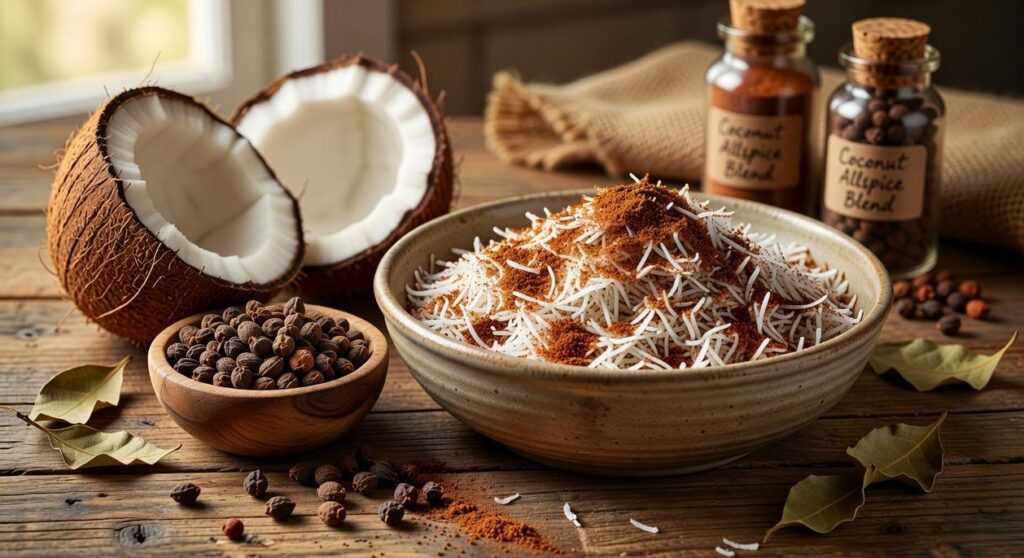
Dynamic Duo #2: Coconut and Allspice – The Creamy and Aromatic Embrace

Spotlight on Coconut Milk
Coconut milk is more than a creamy base; it’s an emulsion (a stable mixture of fat and water) that delivers body, subtle sweetness, and heat control in one pour. Thanks to its natural fat content—often 17–24% in full-fat varieties—it coats the tongue and softens capsaicin’s burn, the compound responsible for chili heat (National Institutes of Health). That’s why fiery curries suddenly feel mellow once coconut milk enters the pot. In Southeast Asian and Caribbean kitchens alike, it transforms sharp spices into something rounded and luxurious (think less “alarm bell,” more “slow dance”).
Spotlight on Allspice
Allspice, meanwhile, is a single berry that tastes like a trio: cinnamon, nutmeg, and clove combined. This complexity comes from eugenol, the same aromatic compound found in cloves, which gives allspice its warm, woody depth (Journal of Agricultural and Food Chemistry). It’s foundational in jerk seasoning and slow-cooked stews, where its volatile oils bloom in heat and fat. Without it, many classic African Caribbean flavor pairings would lose their signature aromatic backbone.
The Synergy
Here’s where the magic happens. Fat carries flavor—literally. Research shows aromatic compounds dissolve and disperse more effectively in fat (Harvard T.H. Chan School of Public Health). So when allspice simmers in coconut milk, its sharp edges soften, its warmth spreads evenly, and the result feels cohesive rather than aggressive.
Actionable Ideas
Try a Caribbean-style curry with chickpeas and sweet potatoes, letting coconut milk tame Scotch bonnet heat. Or use the duo as a braising liquid for goat or oxtail; over time, collagen breaks down into gelatin, enriching the sauce naturally. Pro tip: Toast allspice briefly before adding liquid to intensify its fragrance.
Kitchen Prep Hacks for Maximum Flavor
Tip 1: Toast Your Spices. Dry-toasting whole spices like cumin seeds for 60 seconds in a hot dry pan releases fat-soluble essential oils, intensifying aroma by up to 30% according to food chemistry studies. Grind immediately for maximum impact.
Tip 2: Make a Flavor Paste. Blending garlic ginger onions and peppers creates smaller particles that distribute evenly, increasing surface contact and deeper infusion in marinades and sauces think jerk chicken meets African Caribbean flavor pairings.
Tip 3: Don’t Fear the Salt. Salt draws out moisture through osmosis, enhancing perceived flavor and tenderness science-backed. Naturally
Now you understand the core principles of balancing sweet, spicy, and savory elements. The hurdle was never skill; it was intimidation. Bold ingredients can feel risky (especially after one over-spiced dinner), but research shows that repeated exposure increases flavor acceptance by up to 20% (Journal of Sensory Studies).
Start simple:
- Pair tamarind with ginger for acidity and warmth.
- Use African Caribbean flavor pairings to guide proportions.
These combinations work because acid balances heat and sweetness rounds bitterness—a principle chefs rely on daily.
This week, try making a tamarind-ginger marinade for next meal and discover the difference for yourself.
For a vibrant twist on your culinary adventures, consider pairing traditional African and Caribbean ingredients like jollof rice and ackee with the precise cooking techniques discussed in our article on how to perfectly prepare hingagyi – for more details, check out our How Many Minutes To Cook Hingagyi.
Bring Bold Flavor to Every Plate
You came here looking for ways to bring more depth, excitement, and global inspiration into your cooking. Now you’ve seen how thoughtful ingredient choices, smart prep, and creative combinations can completely transform your meals.
The real challenge isn’t finding recipes — it’s breaking out of bland, repetitive flavors that make cooking feel routine. By exploring African Caribbean flavor pairings, experimenting with spice-forward blends, and using simple kitchen hacks, you turn everyday dishes into vibrant, unforgettable experiences.
Now it’s time to act. Pick one new ingredient, try one bold pairing, and apply one prep tip from this guide in your next meal. Small changes create big flavor.
If you’re ready to stop cooking on autopilot and start creating dishes packed with global character, explore more of our flavor guides and kitchen tips today. Join thousands of passionate home cooks who trust us for fresh ideas that actually work — and start elevating your meals tonight.
 Xolren Xelvaris is the kind of writer who genuinely cannot publish something without checking it twice. Maybe three times. They came to ingredient spotlights and recipes through years of hands-on work rather than theory, which means the things they writes about — Ingredient Spotlights and Recipes, Global Flavors and Fusions, Kitchen Prep Hacks, among other areas — are things they has actually tested, questioned, and revised opinions on more than once.
That shows in the work. Xolren's pieces tend to go a level deeper than most. Not in a way that becomes unreadable, but in a way that makes you realize you'd been missing something important. They has a habit of finding the detail that everybody else glosses over and making it the center of the story — which sounds simple, but takes a rare combination of curiosity and patience to pull off consistently. The writing never feels rushed. It feels like someone who sat with the subject long enough to actually understand it.
Outside of specific topics, what Xolren cares about most is whether the reader walks away with something useful. Not impressed. Not entertained. Useful. That's a harder bar to clear than it sounds, and they clears it more often than not — which is why readers tend to remember Xolren's articles long after they've forgotten the headline.
Xolren Xelvaris is the kind of writer who genuinely cannot publish something without checking it twice. Maybe three times. They came to ingredient spotlights and recipes through years of hands-on work rather than theory, which means the things they writes about — Ingredient Spotlights and Recipes, Global Flavors and Fusions, Kitchen Prep Hacks, among other areas — are things they has actually tested, questioned, and revised opinions on more than once.
That shows in the work. Xolren's pieces tend to go a level deeper than most. Not in a way that becomes unreadable, but in a way that makes you realize you'd been missing something important. They has a habit of finding the detail that everybody else glosses over and making it the center of the story — which sounds simple, but takes a rare combination of curiosity and patience to pull off consistently. The writing never feels rushed. It feels like someone who sat with the subject long enough to actually understand it.
Outside of specific topics, what Xolren cares about most is whether the reader walks away with something useful. Not impressed. Not entertained. Useful. That's a harder bar to clear than it sounds, and they clears it more often than not — which is why readers tend to remember Xolren's articles long after they've forgotten the headline.