
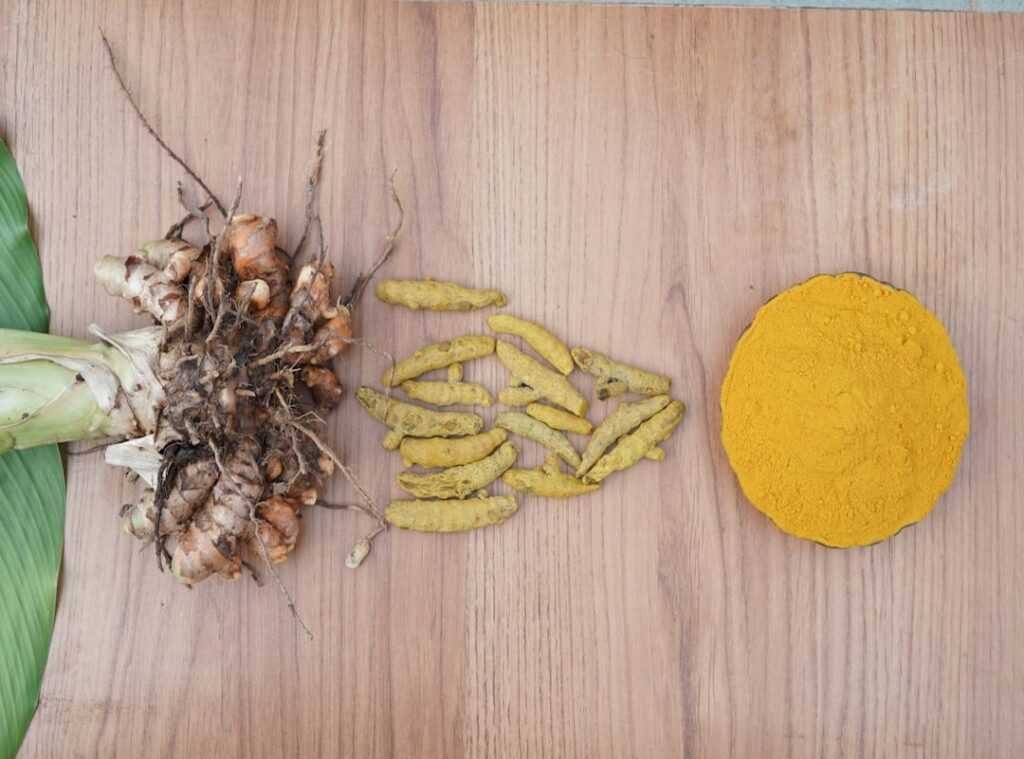
You know that jar of turmeric you bought months ago? The one you used for a single recipe and then forgot in the back of your spice cabinet. You’re not alone.
Most of us have been there. But what if I told you that turmeric could be your go-to ingredient for almost every meal? This guide isn’t just about the obvious curry.
It’s about transforming turmeric in dishes into a staple that’s as versatile as it is lively.
I’ve done a deep dive into global culinary traditions and food science to uncover practical ways to use this golden spice. We’re talking breakfast to dinner, even drinks. You’ll walk away with a new appreciation for turmeric and a fresh take on your everyday meals.
Ready to shake up your kitchen routine?
Turmeric’s Flavor: Not What You Think
Turmeric in dishes isn’t just about color. It’s about the flavor punch it packs. Most people miss this.
They think it’s all about that bright yellow hue. But here’s the truth: turmeric is earthy, musky, slightly bitter, and peppery. It even has hints of orange and ginger.
Quite the character, right?
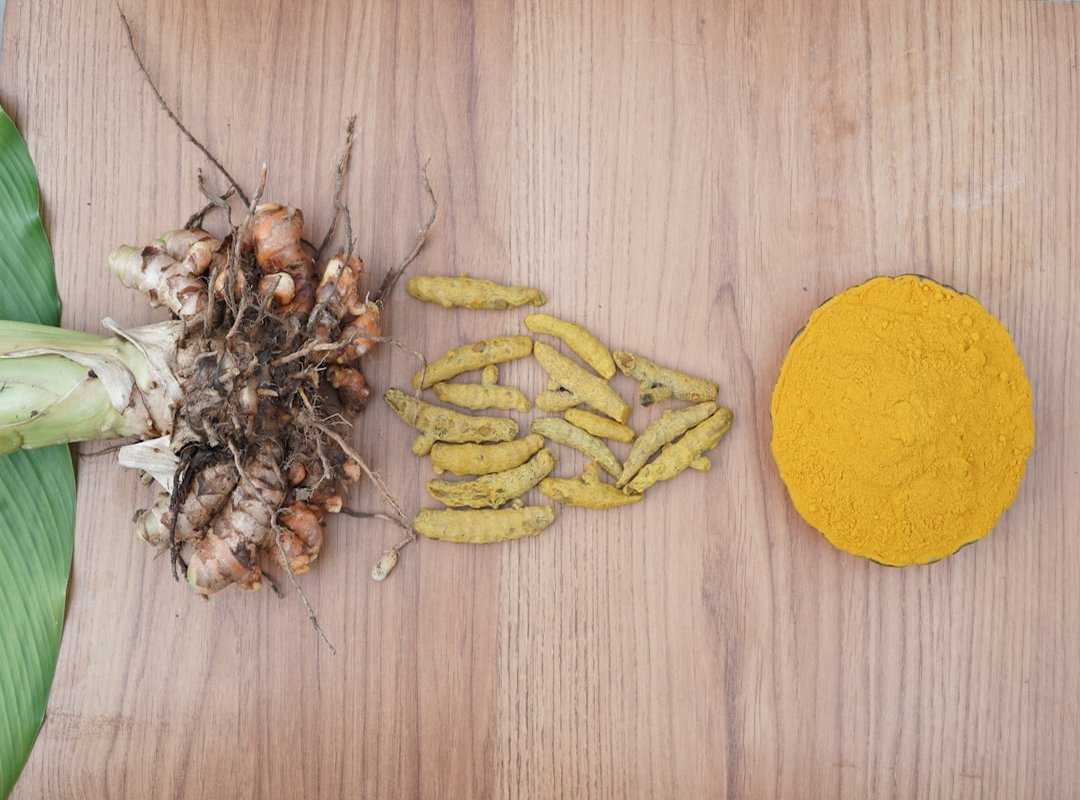
Fresh turmeric root is different. It’s brighter and more citrusy. Dried ground turmeric?
Deeper, more earthy. Not many realize this. I didn’t, until I tasted both side by side.
It’s a game-changer.
Pairing turmeric with the right spices can raise a dish. Think cumin, coriander, black pepper, cinnamon, ginger, and garlic. These aren’t just random picks.
They complement turmeric’s bold profile.
Now, let’s talk color. Turmeric’s lively yellow-orange can make any dish pop. But (and it’s a big but) you can’t overdo it.
Too much and you’ve overwhelmed the flavor. It’s a balancing act.
Curious about other ingredients that can transform a dish? You might want to learn more about mushrooms and their varieties. They bring their own magic to the table.
Understanding ingredients is key. Turmeric is just the start.
The Golden Rule: ‘Bloom’ Turmeric for Flavor Magic
Ever heard of “blooming” spices? It’s a game changer. When you briefly toast ground turmeric in hot fat like oil or ghee, you open up an explosion of flavor.
We’re talking 30 to 60 seconds of sizzling magic before diving into the rest of your dish. Why bother, you ask? It’s simple.
This process releases turmeric’s fat-soluble compounds, making it richer and reducing that raw, dusty taste we all try to avoid.
Let’s talk science. When you “bloom” turmeric, you’re tapping into its hidden potential. And don’t forget to pair it with black pepper.
It’s a must! The piperine in pepper doesn’t just add a spicy kick, it a lot boosts the bioavailability of curcumin (that’s) the part of turmeric that does all the heavy lifting.
So when do you use this technique? Perfect for starting a soup base. Try it before sautéing onions for a rice pilaf or when crafting a marinade.
Trust me, the depth of flavor will surprise you. Next time you’re working with turmeric in dishes, remember this trick. It’s all about making that first impression on your taste buds unforgettable.
A little sizzling, a lot of flavor.
Savory Recipes: Global Flavors to Weeknight Wonders
Let’s talk about turmeric in dishes. It’s the underdog of the spice world. You know, that yellow powder sitting in your spice rack?
It can do wonders. Take grains and legumes, for instance. I love adding turmeric to rice or quinoa.
It gives an earthy taste but a stunning yellow hue. Ever tried “Golden Rice”? Just throw in some turmeric, cumin, and onions.
It’s simple but big.
Now, onto roasted veggies. Ever sprinkled turmeric on cauliflower? If not, you’re missing out.
Add salt and black pepper, and you’ve got a blend that elevates any boring vegetable. Potatoes, chickpeas. You name it.
A simple spice blend can be a game-changer. Trust me on this.
Soups and stews? They’re where turmeric really shines. It builds a foundational flavor layer in lentil soup.
And chicken noodle soup? Turmeric adds depth and color. It’s like painting with flavors.
Even hearty vegetable stews transform with a pinch of this golden spice.
Feeling adventurous with marinades? Here’s a pro tip: mix turmeric with yogurt or oil. Add garlic, ginger, and lemon juice.
It works wonders on chicken, tofu, or fish. The marinade flavors but tenderizes too.
Oh, and quinoa… It’s versatile. You can blend it with turmeric for an exciting twist.
Check out the versatility of quinoa everyday cooking. You won’t regret it.
Mistakes? I’ve made plenty. Like overloading on turmeric.
It can overpower if you’re not careful. But that’s how we learn, right? Cooking is experimentation.
Sometimes, less is more. But don’t shy away. Get creative, and you might discover something amazing.
Turmeric isn’t just a spice. It’s a kitchen important. So, dust off that jar and start experimenting. You might just surprise yourself.
The Unexpected Twist: Turmeric in Drinks & Sweets
Turmeric in dishes is nothing new, but have you ever thought about sipping it? I know, it sounds strange. But give it a chance, and you might just find a new favorite.
Let’s start with Golden Milk Lattes. This drink is a warm hug in a cup (seriously). Combine milk, turmeric, ginger, cinnamon, black pepper, and a sweetener.
Dairy-free options? Almond or oat milk works great.
Now, smoothies and juices. Trust me, you won’t even notice the turmeric. Just a pinch with mango, pineapple, or orange makes your morning drink lively and balanced.
The tropical fruits mask the earthiness, creating a refreshing start to your day.
And here’s a twist (literally) on baking. Add a quarter teaspoon of turmeric to your lemon pound cake or even shortbread cookies. The result?
A beautiful golden color with a slight spice. Imagine an apple crumble topping with that hint of turmeric (sounds) unexpected, right? But it’s these subtle experiments that make cooking an adventure.
If you’re curious about more ways to incorporate this spice, check out turmeric recipes. They offer a range of ideas to explore.
Pro tip: Always taste test. Turmeric can be overpowering, so start small and adjust. We often overlook simple ingredients, but with a little creativity, something as common as turmeric can transform your kitchen.
Let’s explore it together.
Turmeric: Spice Up Your Life
When buying ground turmeric, go for reputable sources. It’s simple (small) quantities are best because it loses its punch over time. Look for that bright color.
You want fresh, not faded.
Now, the fresh turmeric root is a different beast. Firmness is your friend (avoid the shriveled stuff). Store it in the fridge or freezer.
Keeps it fresh longer.
Pro tip: ground turmeric loves an airtight container. Cool, dark place. Not above the stove (tempting, I know).
Heat and light are not your spice’s friends.
Add turmeric in dishes for a lively kick.
Spice Up Your Life with Turmeric
So, you’ve got that lonely spice jar, right? Now, you’re ready to use turmeric in dishes beyond a single recipe. Remember how we talked about blooming and its versatility?
It’s time to take action. Grab one new idea like Golden Rice or a Golden Milk Latte and make it this week. Transform your kitchen skills.
Why wait? Dive into the lively world of turmeric. Your culinary adventure starts now.
Ready to spice things up?
 Regina Hoodecons has opinions about global flavors and fusions. Informed ones, backed by real experience — but opinions nonetheless, and they doesn't try to disguise them as neutral observation. They thinks a lot of what gets written about Global Flavors and Fusions, Culinary Buzz, Renkooki Culinary Experimentation is either too cautious to be useful or too confident to be credible, and they's work tends to sit deliberately in the space between those two failure modes.
Reading Regina's pieces, you get the sense of someone who has thought about this stuff seriously and arrived at actual conclusions — not just collected a range of perspectives and declined to pick one. That can be uncomfortable when they lands on something you disagree with. It's also why the writing is worth engaging with. Regina isn't interested in telling people what they want to hear. They is interested in telling them what they actually thinks, with enough reasoning behind it that you can push back if you want to. That kind of intellectual honesty is rarer than it should be.
What Regina is best at is the moment when a familiar topic reveals something unexpected — when the conventional wisdom turns out to be slightly off, or when a small shift in framing changes everything. They finds those moments consistently, which is why they's work tends to generate real discussion rather than just passive agreement.
Regina Hoodecons has opinions about global flavors and fusions. Informed ones, backed by real experience — but opinions nonetheless, and they doesn't try to disguise them as neutral observation. They thinks a lot of what gets written about Global Flavors and Fusions, Culinary Buzz, Renkooki Culinary Experimentation is either too cautious to be useful or too confident to be credible, and they's work tends to sit deliberately in the space between those two failure modes.
Reading Regina's pieces, you get the sense of someone who has thought about this stuff seriously and arrived at actual conclusions — not just collected a range of perspectives and declined to pick one. That can be uncomfortable when they lands on something you disagree with. It's also why the writing is worth engaging with. Regina isn't interested in telling people what they want to hear. They is interested in telling them what they actually thinks, with enough reasoning behind it that you can push back if you want to. That kind of intellectual honesty is rarer than it should be.
What Regina is best at is the moment when a familiar topic reveals something unexpected — when the conventional wisdom turns out to be slightly off, or when a small shift in framing changes everything. They finds those moments consistently, which is why they's work tends to generate real discussion rather than just passive agreement.