
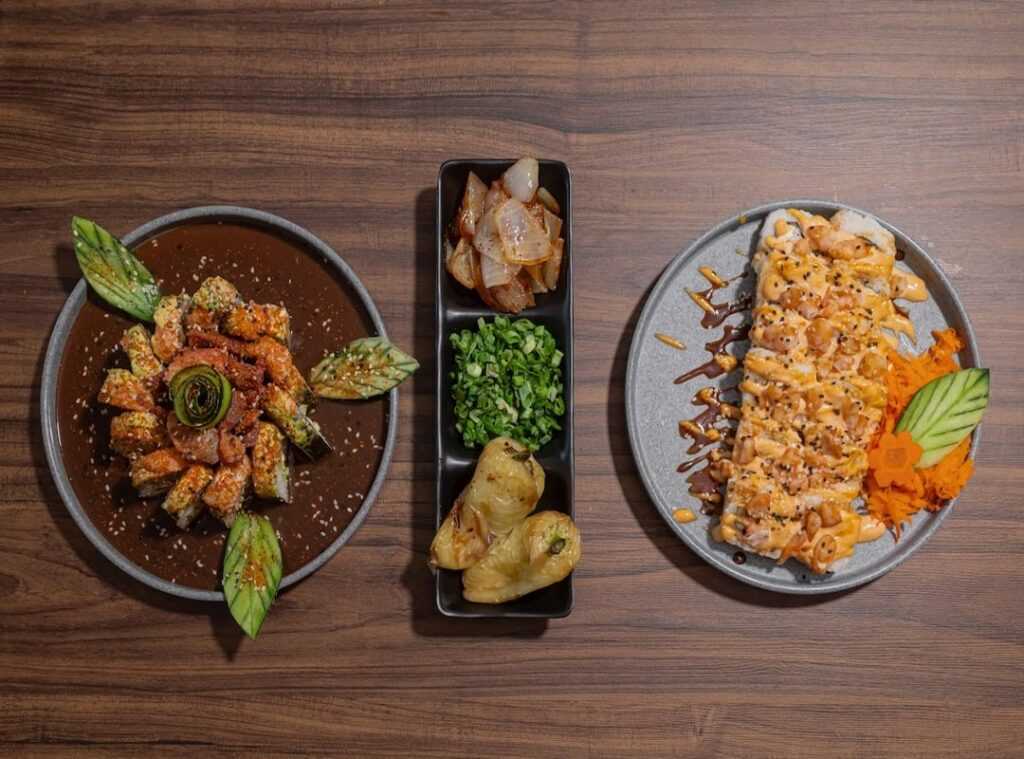
Imagine the savory depth of Japanese umami meeting the lively, sun-kissed flavors of a Spanish tapas bar. Sounds amazing, right? Yet, somehow, combining these cuisines can be intimidating.
I get it. Clashing flavors instead of a harmonious blend is a real risk. But here’s the thing: it doesn’t have to be that way.
This guide will break it all down (even if you’re just starting) by revealing the Japanese-Tapas fusion secrets. I’ve spent years exploring global flavor pairings and have a deep passion for culinary experimentation. You can trust that this is more than just theory.
It’s lived experience.
Stick around, and you’ll leave with not just knowledge, but confidence. You’ll know exactly how to create your own stunning fusion dishes. Ready to demystify the process?
Let’s get started.
The Art of Balance: Japanese-Tapas Fusion Secrets
Ever tried Japanese small plates, or tapas from Spain? They’re surprisingly alike. Both focus on simplicity and respect for high-quality ingredients.
It’s like each dish is a little piece of art, crafted with care. But here’s the twist: they blend different flavors, yet keep it all balanced.
Both cuisines share a communal eating vibe. You know, where you sit together, talk, laugh, and share food. It’s not just eating; it’s an experience.
In Japan, they call it an umami bomb. In Spain, it’s all about sabor. Think of it as a conversation between ingredients, where each one gets a chance to speak.
Not a monologue.
Now, the real secret: textural contrast. Imagine the crispiness of tempura meeting the softness of cheese. Or grilled octopus’s chewiness paired with silky yuzu aioli.
It’s magical. These textures play off each other and keep your taste buds dancing.
But how do you keep it all from clashing? Enter the five tastes: sweet, sour, salty, bitter, and umami. Balance is key.
No one taste should dominate. It’s like a good band where every instrument has its moment. You don’t want the drums drowning out the guitar solo, right?
Pro tip: next time you’re at a fusion restaurant, notice how they blend these elements. It’s not just luck; it’s art. Curious about other fusion adventures?
Check out the french african fusion culinary adventure for more culinary magic.
Japanese-Tapas Fusion Secrets: Marrying Marinades, Sauces &
Let’s talk about sauces and marinades. Combining them is the easiest win for any home cook. You want to transform dishes without losing your mind or breaking the bank?
This is it. One of my favorite techniques is giving Spanish classics a Japanese twist. It sounds fancy, but it’s simple.
Trust me.
Take Miso Aioli. It’s a game changer. Whisk white miso paste into a classic garlic aioli.
What do you get? A sauce that’s creamy and garlicky with a surprising salty-sweet depth. Perfect for patatas bravas.
You know those crispy potato bites often served at tapas bars? This aioli takes them to another level. People will think you’re a culinary genius. (Spoiler: You are.)
Now, let’s brighten things up with a Yuzu Vinaigrette. This dressing is perfect for a gambas al ajillo salad. Think garlic shrimp with a yuzu-based dressing.
The yuzu adds bright, floral notes that cut through the garlic and oil richness. It’s like a breath of fresh air in your mouth. It might sound delicate, but it packs a punch.
You’ll love it.
Finally, we’ve got the Soy-Mirin Glaze. It’s a simple mix of soy sauce, mirin, and a touch of ginger. Brush this glaze on grilled pintxos (those delightful little skewers of chicken or pork).
You get a teriyaki-like gloss and flavor. It’s sweet, savory, and just a bit spicy. Honestly, it’s addictive.
You’ll want to put it on everything.
Why does this work? Japanese ingredients bring umami, depth, and balance. They boost traditional Spanish dishes in unexpected ways.
It’s fusion done right. Want to experience it firsthand? Check out [akai.
Dallas hidden speakeasy &](https://www.musumedallas.com/akai). They’re doing incredible things with global flavors.
So, next time you’re in the kitchen, take a chance. Experiment with these fusions. Your taste buds will thank you.
And who knows, you might just discover your new favorite dish. Happy cooking!
Technique Focus: Reimagining Cooking Methods
Ever tried applying a cooking technique from one cuisine to the ingredients of another? It’s magic. I’m all about mixing it up in the kitchen.

I’m talking about reimagining textures and methods. Let’s start with something light (the) Tempura Treatment. Imagine taking Japanese tempura, with its airy batter, and giving it a spin with Spanish ingredients.
Tempura Padrón Peppers are a revelation. Picture this: crispy coating meets the tender, sometimes fiery pepper inside. The contrast in texture is insane.
You bite through that delicate batter into softness, and there’s a surprise kick. That’s the kind of culinary thrill ride we all need.
Then, let’s get cheesy. Tempura Manchego Cheese with quince paste isn’t just a mouthful in name, but in taste. The salty, melty cheese wrapped in a light crunch (and) then, BAM, a sweet dip.
That’s a flavor explosion, right there. Sweet, salty, crispy, melty. It’s a full sensory overload.
You get that beautiful char and smoky depth that brings a whole new life to the dish. The sizzle of chorizo on a hot griddle? Pure music.
Now, have you thought about Teppanyaki-Style Tapas? Don’t roll your eyes yet. Cooking classic tapas like chorizo or squid on a flat-top griddle at high heat makes you a searing pro.
And here’s a twist, Japanese pickling techniques (tsukemono). Take your typical Spanish vegetables like olives or bell peppers. Pickle them the Japanese way.
You get a unique, crunchy, and tangy side dish. The flavors mingle and transform entirely, creating something fresh. Unexpected.
We can always learn from other cuisines. It’s like borrowing clothes (but tastier). If Middle Eastern flavors meet Latin cuisine, as you can read here, why not Japanese and Spanish?
These Japanese-Tapas fusion secrets are just the beginning. Cooking isn’t just about following recipes. It’s about inspiration and daring to mix things up.
Cooking like this might just be your new favorite adventure.
Plating with Purpose: The Art of Fusion Presentation
Ever thought about how your food looks? Successful fusion isn’t just about taste; it extends to what you see on the plate. Enter the Japanese aesthetic of minimalism and wabi-sabi (the) art of finding beauty in imperfection.
It’s a game-changer. Seriously, a rustic tapas dish instantly elevates with these principles.
Here’s what I do at home. Use simple, elegant ceramic bowls that don’t scream “look at me!” Instead, they let the food shine. Garnish with intention.
Think black sesame seeds or thinly sliced shiso leaves. And don’t forget to sprinkle a bit of togarashi for that extra zing.
Pro tip: Focus on negative space. It makes the food pop, rather than crowding it together. Thoughtful plating turns a meal into a memorable dining experience. It’s one of those Japanese-Tapas fusion secrets that’s overlooked but key.
Spice Up Your Kitchen with Bold Flavors
Trying to mix cuisines can feel like a recipe for disaster, right? But with a clear grasp of balance, the fear dissolves. Mastering a few techniques (like) a killer miso aioli (makes) it all easier.
Your kitchen isn’t just for cooking; it’s a playground for flavor. Japanese-Tapas fusion secrets can transform your meals into an adventure. So, pick one technique from this guide and dive in. Don’t overwhelm yourself.
Just try it this week. Ready to raise your cooking game? Embrace the fusion, experiment boldly, and see where your taste buds take you.
 Brian Pinkertoniolusto writes the kind of cooking tips and advice content that people actually send to each other. Not because it's flashy or controversial, but because it's the sort of thing where you read it and immediately think of three people who need to see it. Brian has a talent for identifying the questions that a lot of people have but haven't quite figured out how to articulate yet — and then answering them properly.
They covers a lot of ground: Cooking Tips and Advice, Culinary Buzz, Global Flavors and Fusions, and plenty of adjacent territory that doesn't always get treated with the same seriousness. The consistency across all of it is a certain kind of respect for the reader. Brian doesn't assume people are stupid, and they doesn't assume they know everything either. They writes for someone who is genuinely trying to figure something out — because that's usually who's actually reading. That assumption shapes everything from how they structures an explanation to how much background they includes before getting to the point.
Beyond the practical stuff, there's something in Brian's writing that reflects a real investment in the subject — not performed enthusiasm, but the kind of sustained interest that produces insight over time. They has been paying attention to cooking tips and advice long enough that they notices things a more casual observer would miss. That depth shows up in the work in ways that are hard to fake.
Brian Pinkertoniolusto writes the kind of cooking tips and advice content that people actually send to each other. Not because it's flashy or controversial, but because it's the sort of thing where you read it and immediately think of three people who need to see it. Brian has a talent for identifying the questions that a lot of people have but haven't quite figured out how to articulate yet — and then answering them properly.
They covers a lot of ground: Cooking Tips and Advice, Culinary Buzz, Global Flavors and Fusions, and plenty of adjacent territory that doesn't always get treated with the same seriousness. The consistency across all of it is a certain kind of respect for the reader. Brian doesn't assume people are stupid, and they doesn't assume they know everything either. They writes for someone who is genuinely trying to figure something out — because that's usually who's actually reading. That assumption shapes everything from how they structures an explanation to how much background they includes before getting to the point.
Beyond the practical stuff, there's something in Brian's writing that reflects a real investment in the subject — not performed enthusiasm, but the kind of sustained interest that produces insight over time. They has been paying attention to cooking tips and advice long enough that they notices things a more casual observer would miss. That depth shows up in the work in ways that are hard to fake.