

What happens when French sophistication meets African vibrancy on a plate? You get the unexpected but delightful harmony of French-African fusion. This isn’t just about mixing ingredients.
It’s about the rich history and stories behind each dish. I mean, who wouldn’t want to explore the origins of these signature flavors?
Curious about what makes this fusion more than just a trend? You’re not alone. The allure of this cuisine goes beyond taste.
It’s about understanding the deep ties that bind two continents. Trust me, I’ve spent years diving into global flavor stories, and this one is particularly fascinating.
In this article, you’ll uncover the ‘what’ but also the ‘why’ behind this culinary partnership. Let’s start on this flavorful journey together. You’ll leave with a fresh appreciation for what happens when cultures collide.
The Roots of a Fusion: Culinary Crossroads
French-African fusion is a dance of flavors, where history and culture collide on the plate. Ever wondered how this all began? French colonialism in West and North Africa laid the groundwork.
It wasn’t just about conquering lands but also an exchange of culinary know-how. Techniques and ingredients flowed both ways.
Take the baguette, for example. It’s not just a French staple. It found a home in African markets, blending with local tastes.
And let’s talk mustard. Dijon mustard, with its strong punch, became a favorite addition to many African dishes. The French didn’t just bring ingredients; they shared a culinary style.
But wait, it wasn’t a one-way street. African ingredients like millet, couscous, and yassa (a spicy, tangy dish from Senegal) slipped slowly into French kitchens. These weren’t just borrowed but adapted, reshaping French cuisine itself.
This exchange was mutual, not mere imposition.
Looking at specific historical periods helps. The 19th century saw French influence spreading, but the 20th century was when the real fusion magic happened. Post-independence, African chefs began to make their mark in France.
They brought their rich traditions to French tables, and the fusion continued to grow.
This isn’t just history; it’s alive today. The sharing of culinary traditions continues to evolve. Just like Unique Italian Asian Fusion Recipes bring different worlds together, French-African flavors tell a story of shared past and present.
In the end, it’s all about mutual influence. The magic of French-African fusion lies in its ability to bridge gaps, to blend and borrow. It’s a how food can transcend borders, creating something greater together than apart.
And isn’t that what fusion is all about?
The Pillars of Flavor: Key Ingredients and Techniques
The African Pantry
When I think about the African pantry, a few ingredients always stand out. First up, grains of paradise. These little seeds are like black pepper, but with a twist of citrus and a touch of heat.
They add depth to any dish, making them perfect for French-African fusion. Then there’s fonio, a tiny grain that’s a big deal. It’s light and fluffy, with a nutty flavor that pairs well with rich sauces.
You can see why it’s a staple in West African kitchens.
Tamarind is another must-have. It’s tart, tangy, and sweet all at once. This fruit pulp can transform a simple stew into something extraordinary.
Add it to a sauce, and you’ve got magic. And let’s not forget preserved lemons. They bring a salty, tangy punch, elevating a dish from good to unforgettable.
Use them sparingly, though. A little goes a long way, especially when mixed with North African spices.
The French Technique
Now, onto the French side of things. Braising is a technique I can’t get enough of. It’s all about cooking meat slowly in liquid.
Take a tough cut of lamb, add North African spices, and let it simmer. The result? Tender, flavorful meat that falls off the bone.
It’s a beautiful blend of cultures.
Confit is another classic method. Traditionally, it’s used for duck, but why stop there? Imagine confit vegetables with African spices.
Slow-cooked in oil, they become rich and intensely flavored. Finally, there’s the art of using stocks and mother sauces like velouté or béchamel. These form the backbone of many dishes.
Pair a velouté with spicy African vegetables, and you’ve got a fusion that works.
For more on how these flavors come together, check out this breakdown. It’s a fascinating dive into how French-African fusion is breaking cultural barriers.
Signature Dishes: Tasting the French-African Blend
When you think of French-African fusion, what comes to mind first? For me, it’s the bold, lively flavors that dance between two distinct culinary worlds. Take Yassa Poulet, for example.
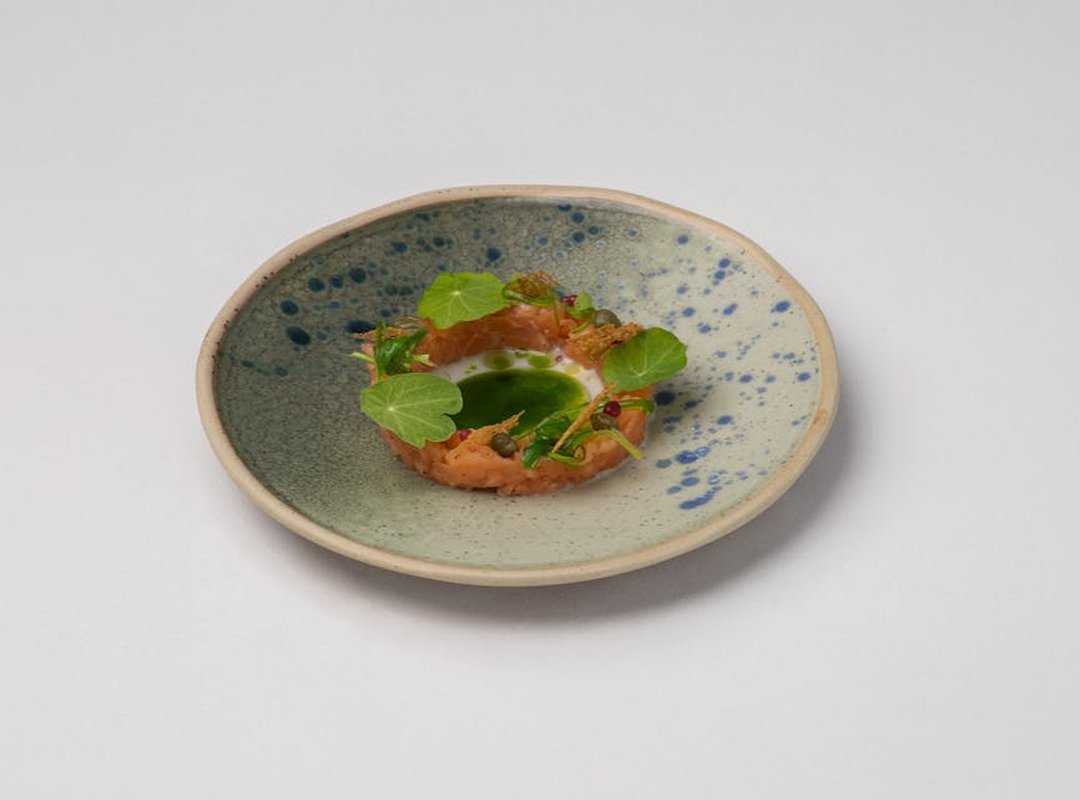
Born in Senegal, this dish combines the slow-cooked richness of French onion confit with the punchy brightness of lemon and peppers. It’s not just a meal; it’s a conversation between continents. Throw in some Dijon mustard, and you’ve got a dish that’s both familiar and exciting.
It’s like having a foot in two kitchens at once.
Now, think about the tagine. This Moroccan staple is all about slow braising. But imagine it with a French twist.
They add prunes and apricots, which might sound odd at first if you’re used to savory stews, but trust me (it) works. The sweetness balances out the spices, giving it a unique depth. Plus, it showcases how French techniques can raise traditional dishes into something spectacularly new. (Kind of like when you add a killer solo to an already great song.)
Lastly, let’s talk about modern creations that push the boundaries. Consider a dish like fonio-crusted fish paired with sorrel-beurre blanc sauce. Fonio, a tiny West African grain, provides a crunchy contrast to the creamy, butter-laden sauce that’s all French.
This dish doesn’t just bridge two cuisines; it makes them dance together on your palate.
Curious about how far you can take this culinary fusion? Check out how middle eastern flavors latin cuisine brings another bold fusion into play. It’s all about creating new experiences from the best of different worlds.
These dishes aren’t just recipes; they’re windows into cultures pulling from deep traditions and bold innovations. And isn’t that what makes cooking so endlessly fascinating?
The Modern Table: French-African Fusion’s Bold New Taste
Ever thought about what happens when you put a French chef and an African cook in the same kitchen? Magic. Cities like Paris, Dakar, and New York are buzzing with this French-African fusion.
It’s not just about mixing spices; it’s about elevating tradition.
Take ‘bistronomie Africaine’ for example. It’s where African flavors meet fine French presentation. Picture a classic Senegalese dish with the elegance of a Michelin-star presentation.
Chefs are turning age-old recipes into art. And it’s not just a passing trend. It’s a living, breathing cuisine that keeps evolving.
Some folks might argue it’s just a gimmick. But let’s be real. If you think this is just historical?
You’re missing out. It’s lively, changing, and speaks to our global palate today. Ever tried a dish that surprises you with every bite?
That’s what this fusion is all about. It’s exciting, and it’s here to stay.
Dive Into French-African Flavors
You’ve taken a whirlwind tour through the world of French-African fusion. Now you know the history and key ingredients that make this cuisine sing. It’s a blend that transforms shared history into delicious innovation.
Feeling inspired? Good! This culinary adventure is just a grocery trip away.
Imagine the aromas and flavors you’ll create. Dive in and experiment with a recipe or two. It’s time to turn your kitchen into a melting pot of cultures.
Start by grabbing those unique spices and ingredients. Why wait? Transform your everyday meals into something extraordinary.
You’ve got this.
 Regina Hoodecons has opinions about global flavors and fusions. Informed ones, backed by real experience — but opinions nonetheless, and they doesn't try to disguise them as neutral observation. They thinks a lot of what gets written about Global Flavors and Fusions, Culinary Buzz, Renkooki Culinary Experimentation is either too cautious to be useful or too confident to be credible, and they's work tends to sit deliberately in the space between those two failure modes.
Reading Regina's pieces, you get the sense of someone who has thought about this stuff seriously and arrived at actual conclusions — not just collected a range of perspectives and declined to pick one. That can be uncomfortable when they lands on something you disagree with. It's also why the writing is worth engaging with. Regina isn't interested in telling people what they want to hear. They is interested in telling them what they actually thinks, with enough reasoning behind it that you can push back if you want to. That kind of intellectual honesty is rarer than it should be.
What Regina is best at is the moment when a familiar topic reveals something unexpected — when the conventional wisdom turns out to be slightly off, or when a small shift in framing changes everything. They finds those moments consistently, which is why they's work tends to generate real discussion rather than just passive agreement.
Regina Hoodecons has opinions about global flavors and fusions. Informed ones, backed by real experience — but opinions nonetheless, and they doesn't try to disguise them as neutral observation. They thinks a lot of what gets written about Global Flavors and Fusions, Culinary Buzz, Renkooki Culinary Experimentation is either too cautious to be useful or too confident to be credible, and they's work tends to sit deliberately in the space between those two failure modes.
Reading Regina's pieces, you get the sense of someone who has thought about this stuff seriously and arrived at actual conclusions — not just collected a range of perspectives and declined to pick one. That can be uncomfortable when they lands on something you disagree with. It's also why the writing is worth engaging with. Regina isn't interested in telling people what they want to hear. They is interested in telling them what they actually thinks, with enough reasoning behind it that you can push back if you want to. That kind of intellectual honesty is rarer than it should be.
What Regina is best at is the moment when a familiar topic reveals something unexpected — when the conventional wisdom turns out to be slightly off, or when a small shift in framing changes everything. They finds those moments consistently, which is why they's work tends to generate real discussion rather than just passive agreement.