
If you’ve been searching for practical ways to cook smarter, explore global flavors, and make your time in the kitchen more rewarding, you’re in the right place. This article is designed to help you discover new ingredients, experiment with exciting flavor combinations, and sharpen your everyday cooking skills without feeling overwhelmed.
Many home cooks struggle with repetitive meals, underused pantry items, or inefficient prep routines that make cooking feel like a chore. Here, you’ll find clear guidance on ingredient spotlights, creative yet approachable culinary experimentation, and time-saving kitchen prep hacks—including batch cooking for beginners—so you can build confidence and consistency in your meals.
Our insights are grounded in tested techniques, global food research, and proven kitchen strategies used by experienced cooks. Every tip is curated to be practical, reliable, and easy to apply. By the end, you’ll have actionable ideas to elevate your cooking routine and bring more flavor to your table.
End Weeknight Dinner Stress for Good
It’s 5 PM. You’re tired, hungry, and staring into the fridge like it might magically produce tacos (it won’t). That daily scramble isn’t a personal failure—it’s a planning gap. While other guides push gourmet spreadsheets or bodybuilder meal grids, this one keeps it simple. Meal prepping isn’t just for fitness influencers; it’s a realistic system anyone can follow.
Here’s the fix: use batch cooking for beginners as a repeatable framework—pick three dinners, shop once, prep once, relax all week. No exotic ingredients. No advanced skills. Just clear steps that turn chaos into calm. Dinner stops feeling like a crisis nightly.
Cooking ahead is like buying back your weeknights. Spend two focused hours on Sunday—while the dal simmers or the sofrito sweats—and you reclaim five frantic evenings. In busy metros where commutes stretch past 6 p.m., that trade feels revolutionary. Save Time: one block now, zero chopping on Wednesday.
Save Money: Planning curbs pricey takeout and those “just in case” grocery splurges. The USDA estimates 30–40% of the U.S. food supply is wasted (USDA). When you batch roast vegetables or portion biryani properly, you actually use what you buy.
Reduce Stress: Decision fatigue is real (APA). Removing the nightly “what’s for dinner?” debate lightens your mental load.
Eat Better—Effortlessly: When grilled chicken, chana masala, or roasted paneer is ready to heat, it beats drive‑thru temptation. Pro tip: start with use batch cooking for beginners and label containers clearly. (Your future self will say thanks.) Even in winter, soups freeze beautifully here.
Your Essential Meal Prep Starter Kit (You Already Own Most of It)
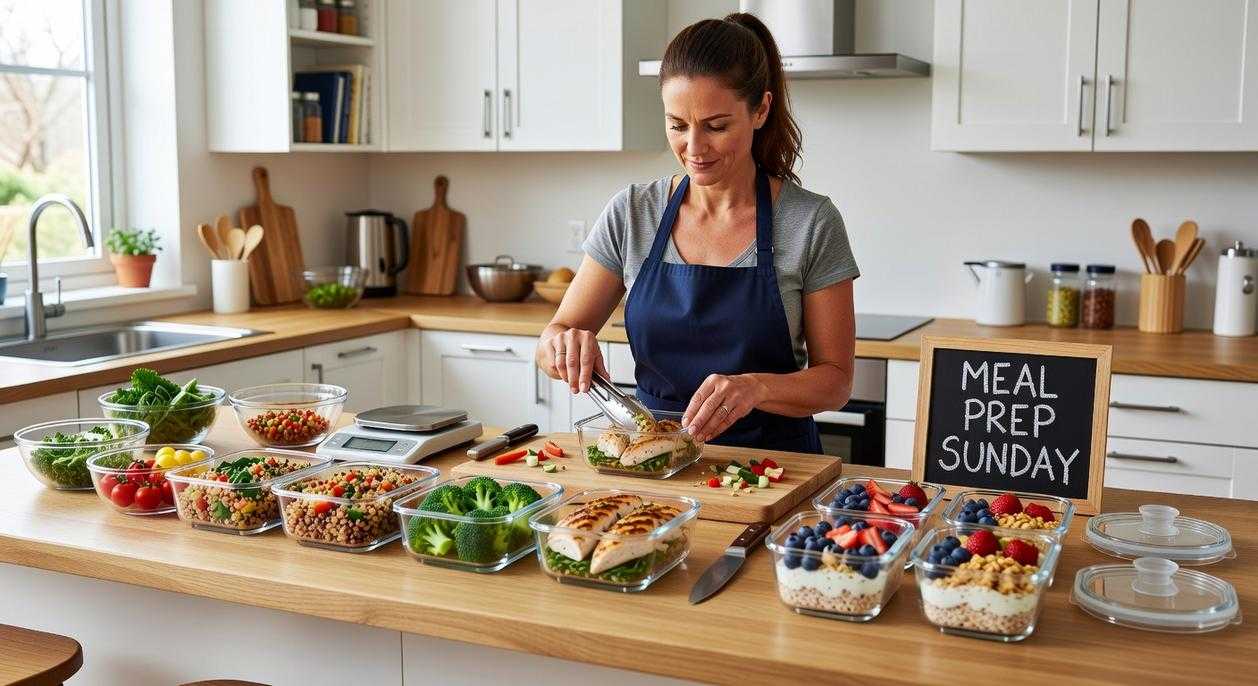
Let me say this upfront: you do not need a drawer full of gadgets to start meal prepping. In my opinion, half the tools marketed for “efficiency” just collect dust (looking at you, avocado slicer). If you’re exploring batch cooking for beginners, the smartest move is using what you already have.
Good Quality Food Containers
Glass containers are durable, don’t stain, and won’t absorb odors—but they’re heavier and pricier. BPA-free plastic is lighter and budget-friendly, though it can warp over time. Whichever you choose, prioritize airtight, leak-proof lids. (Nothing ruins a commute like soup in your tote.)
One Sharp Chef’s Knife
I’d take one sharp, well-balanced chef’s knife over a 12-piece dull set any day. A sharp knife is safer because it requires less force, reducing slips (National Safety Council). It’s the MVP of your kitchen.
A Large Cutting Board
More surface area means faster prep and fewer spills. Crowded boards slow you down and make chopping riskier.
Basic Cookware
All you really need: a large sheet pan for roasting, a pot for grains, and a skillet for sautéing. Simple wins.
Measuring Cups and Spoons
Consistency builds confidence—especially early on. Precision matters more than you think.
Your First Cook: A Simple 3-Day “Component Prep” Plan
If cooking feels overwhelming, you don’t need a complicated meal plan. You need a system. Component Prep is exactly that—a beginner-friendly method where you cook versatile ingredients separately, then mix and match them into different meals later. Think of it like building with LEGO bricks instead of carving a sculpture from scratch (way less stressful).
The big benefit? Less decision fatigue, fewer dishes, and three days of balanced meals from one short cooking session.
Step 1: Choose Your Building Blocks
Keep it simple with this formula:
- 1 Protein
- 1 Grain/Carb
- 1–2 Vegetables
Example shopping & prep list:
- Protein: 2 lbs boneless, skinless chicken breasts (bake with salt, pepper, and olive oil)
- Grain: 1 cup uncooked quinoa (cook according to package directions)
- Vegetables: 1 head broccoli + 2 bell peppers (chop, toss with oil, roast on a sheet pan)
This structure guarantees balanced meals with protein (muscle support), fiber-rich carbs (steady energy), and vegetables (vitamins and minerals). According to the USDA MyPlate guidelines, balanced portions like this support overall health and satiety.
Some argue meal prep gets boring. Fair point. But when ingredients are separate, you can change flavors daily—add hot sauce one day, lemon-tahini the next. Same base, different vibe.
Step 2: The 60-Minute Power Hour
Efficiency is your secret weapon. While the chicken and vegetables roast in the oven, cook the quinoa on the stovetop. That’s it.
This overlap cuts total cooking time dramatically (pro tip: line your sheet pan with parchment for faster cleanup). If you want to level up later, explore essential kitchen tools that improve prep efficiency.
Step 3: Cool, Portion, and Store
Let everything cool before sealing containers. Trapped steam creates condensation, which leads to soggy vegetables (no one wants sad broccoli).
Portion into three containers:
- 1 serving chicken
- 1 serving quinoa
- 1–2 servings vegetables
Now you’ve mastered Use batch cooking for beginners without overwhelm. The payoff? Three ready-to-go meals, saved money, and the confidence that you can absolutely do this again next week.
How to Avoid Boredom and Other Beginner Mistakes
Mistake #1: Making the Same Meal Every Day
Recommendation: Use the Flavor Hack. Keep your base ingredients the same, but rotate sauces and spices. Think BBQ sauce on day one, lemon-herb vinaigrette on day two, and a spicy peanut drizzle on day three. Same chicken, totally different vibe. (Your taste buds won’t know it’s leftovers.)
Mistake #2: Prepping Too Much Food
Start small. Prep three days, not seven. This reduces waste and keeps flavors fresh. It’s the smartest way to approach batch cooking for beginners.
Mistake #3: Choosing Complicated Recipes
Master simple roasting, baking, or steaming first. Build confidence before tackling multi-step dishes.
Mistake #4: Thinking It’s All or Nothing
Any prep counts. Chop vegetables, marinate protein, or cook one grain. Small wins save serious time later.
Keep it practical. Keep it flexible. That’s how you stay consistent.
You’re not imagining it—weeknight dinner chaos feels inevitable. But honestly, I think that’s a story we tell ourselves. If you’ve been searching for a simple starting point, you have it now. This plan works because it strips away perfection and focuses on progress.
Instead of juggling five new recipes, try the Component Prep method. It’s my favorite form of batch cooking for beginners because it builds confidence fast. Cook once, mix and match later.
So here’s your move: this week, prep one component—rice or roasted vegetables—and watch one stressful evening transform. Small steps create surprisingly big kitchen wins. Trust me.
Bring Global Flavor Into Your Kitchen With Confidence
You came here looking for practical, flavorful ways to level up your time in the kitchen—and now you have the tools to do exactly that. From exploring global flavors to mastering ingredient pairings and smart prep strategies, you’re no longer stuck wondering what to cook or how to make it taste better.
The real frustration isn’t just mealtime—it’s the stress of repetitive dishes, wasted ingredients, and feeling uninspired. With the right techniques and a plan in place, cooking becomes creative instead of chaotic. Even something as simple as batch cooking for beginners can completely transform your weekly routine, saving time while expanding your flavor range.
Now it’s your move. Choose one new ingredient, try one bold flavor combination, or prep your next three meals in advance. Thousands of home cooks trust our kitchen-tested tips to simplify cooking and unlock confident experimentation. Start today—open your pantry, pick a recipe, and put these strategies into action. Your next great dish is waiting.
 Brian Pinkertoniolusto writes the kind of cooking tips and advice content that people actually send to each other. Not because it's flashy or controversial, but because it's the sort of thing where you read it and immediately think of three people who need to see it. Brian has a talent for identifying the questions that a lot of people have but haven't quite figured out how to articulate yet — and then answering them properly.
They covers a lot of ground: Cooking Tips and Advice, Culinary Buzz, Global Flavors and Fusions, and plenty of adjacent territory that doesn't always get treated with the same seriousness. The consistency across all of it is a certain kind of respect for the reader. Brian doesn't assume people are stupid, and they doesn't assume they know everything either. They writes for someone who is genuinely trying to figure something out — because that's usually who's actually reading. That assumption shapes everything from how they structures an explanation to how much background they includes before getting to the point.
Beyond the practical stuff, there's something in Brian's writing that reflects a real investment in the subject — not performed enthusiasm, but the kind of sustained interest that produces insight over time. They has been paying attention to cooking tips and advice long enough that they notices things a more casual observer would miss. That depth shows up in the work in ways that are hard to fake.
Brian Pinkertoniolusto writes the kind of cooking tips and advice content that people actually send to each other. Not because it's flashy or controversial, but because it's the sort of thing where you read it and immediately think of three people who need to see it. Brian has a talent for identifying the questions that a lot of people have but haven't quite figured out how to articulate yet — and then answering them properly.
They covers a lot of ground: Cooking Tips and Advice, Culinary Buzz, Global Flavors and Fusions, and plenty of adjacent territory that doesn't always get treated with the same seriousness. The consistency across all of it is a certain kind of respect for the reader. Brian doesn't assume people are stupid, and they doesn't assume they know everything either. They writes for someone who is genuinely trying to figure something out — because that's usually who's actually reading. That assumption shapes everything from how they structures an explanation to how much background they includes before getting to the point.
Beyond the practical stuff, there's something in Brian's writing that reflects a real investment in the subject — not performed enthusiasm, but the kind of sustained interest that produces insight over time. They has been paying attention to cooking tips and advice long enough that they notices things a more casual observer would miss. That depth shows up in the work in ways that are hard to fake.