
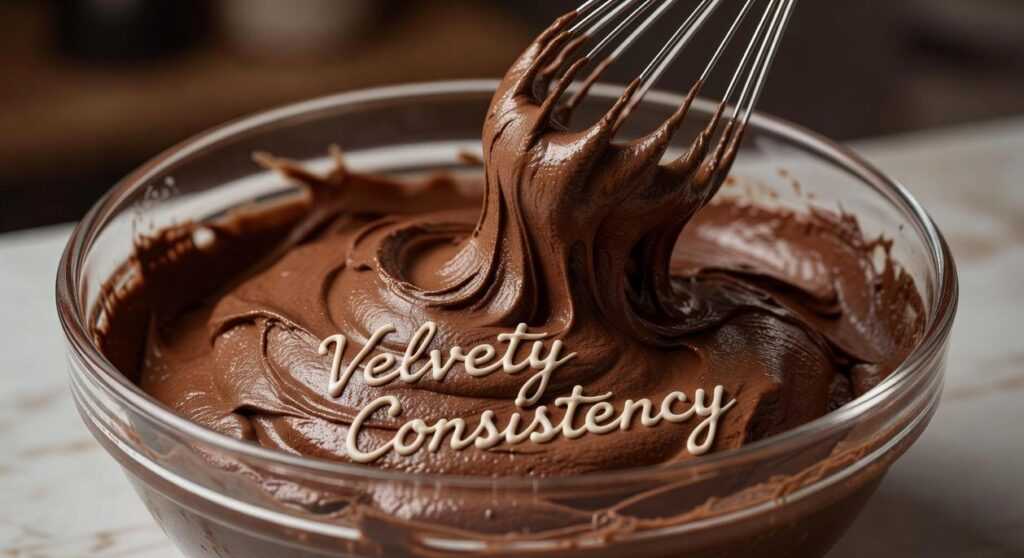
If you’re searching for fresh ways to elevate your cooking, explore global flavors, and master techniques that transform everyday ingredients into memorable dishes, you’re in the right place. This article is designed to help you discover new taste combinations, understand standout ingredients, and apply practical kitchen strategies that immediately improve your results.
From smart prep hacks that save time to bold seasoning ideas inspired by international cuisines, we break down complex concepts into steps you can actually use. You’ll also learn how to refine culinary texture techniques to create contrast, balance, and depth in every bite—because great flavor is only part of the experience.
Our insights are grounded in hands-on experimentation, careful ingredient analysis, and continuous study of evolving food trends across cultures. The goal is simple: give you reliable, practical guidance you can trust, so every dish you create feels more confident, creative, and delicious.
Why Mouthfeel is the Secret to Unforgettable Cooking
Contrast a soggy chip with a perfectly crisp one: flavor may match, but texture decides delight. That contrast proves mouthfeel—how food physically feels in your mouth—is half the eating experience. Yet many home cooks chase seasoning and ignore structure, resulting in flat, one-dimensional plates.
To fix that, start by layering contrasts: pair creamy soups with toasted nuts, or add acid to tighten sauces. Control moisture to prevent sogginess, and rest fried foods on racks, not towels. Use culinary texture techniques in the section once exactly as it is given. Think Ratatouille’s bite.
Mastering the Crisp: The Science of Dry Surfaces and High Heat
Let’s start with the villain: moisture. Water on the surface of food blocks the Maillard reaction—the chemical reaction between amino acids and sugars that creates browning and deep, savory flavor (Harold McGee, On Food and Cooking). When water lingers, your food doesn’t sear; it steams. And steaming never built a shatteringly crisp crust (unless you’re a dumpling, and that’s different).
First, the non‑negotiable: The Pat-Down. Before anything hits the pan, blot proteins and vegetables thoroughly with paper towels. I don’t mean a polite dab—I mean committed drying. In my kitchen, skipping this step is culinary self-sabotage.
Next, The Dry Brine. Salting in advance draws out internal moisture through osmosis (a process where salt pulls water from cells), then reabsorbs it, seasoning deeply while leaving the surface drier. Give it time. The payoff is a superior crust.
Then comes Heat Management. Preheat your pan and oil until shimmering. You want immediate, aggressive contact. Overcrowding? Cardinal sin. Too much food drops the temperature, releasing steam and ruining browning (Serious Eats). Space equals crisp.
And yes—Use culinary texture techniques in the section once exactly as it is given.
Ultimately, crispness isn’t luck. It’s dryness plus heat, applied with intention.
The Art of Silk: Achieving Velvety and Creamy Consistencies
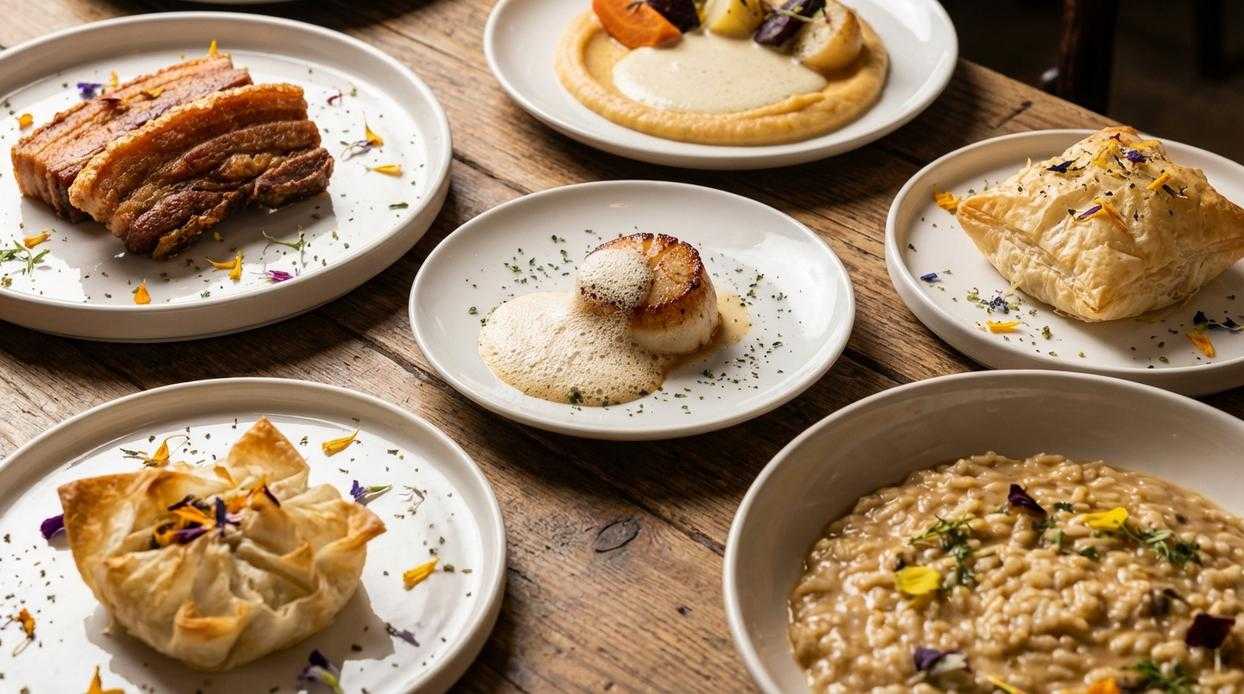
Great sauces feel like magic. But they’re really science—simple science—working in your favor.
Emulsification Explained
Emulsification is the process of forcing two liquids that normally repel each other (like oil and water) into a stable mixture. Think of a classic vinaigrette. Shake oil and vinegar hard enough and you get a temporary blend. Add mustard, and suddenly it lasts longer. Why? Mustard contains natural emulsifiers—molecules that hold fat and water together.
Aioli works the same way. When you whisk oil slowly into egg yolk, the lecithin in the yolk acts as the bridge. TOO MUCH OIL TOO FAST, and it “breaks” (separates). Go slow, and you get silky perfection—like culinary alchemy, minus the dragons.
The Power of Starch
Starch thickens by absorbing water and swelling when heated. That cloudy pasta water? It’s liquid gold because dissolved starch helps sauces cling to noodles. A cornstarch slurry (cornstarch mixed with cold water) thickens gravies while keeping them glossy. Some argue flour tastes better, but cornstarch creates a clearer, shinier finish—ideal when appearance matters.
Harnessing Fat for Richness
Finishing with cold butter—monter au beurre—adds shine and body. The butter emulsifies into the sauce, creating a smooth mouthfeel. A splash of cream works similarly, softening sharp edges. FAT, used wisely, equals LUXURY.
Blending and Puréeing
Mechanical force is underrated. High-speed blenders shear particles into tiny bits, making soups velvety. For ultimate refinement, pass the purée through a fine-mesh sieve. It’s one of those culinary texture techniques that separates good from restaurant-level great (very “Top Chef” energy).
Beyond the Fryer: Inventive Ways to Add Abrasive Crunch
Crunch doesn’t have to mean deep-fried. In fact, some of the most dynamic texture comes from techniques that are lighter, faster, and more controlled.
The Toasted Element
Toasting nuts, seeds, or breadcrumbs triggers the Maillard reaction—a chemical process that browns food and creates complex, nutty flavors (Harold McGee, On Food and Cooking). Panko, a Japanese-style breadcrumb known for its airy flakes, is especially effective because it stays crisp longer than standard crumbs. Toss it with olive oil and toast until golden, then scatter over pasta or roasted carrots. Suddenly, a soft dish has structure.
Some argue that crunch distracts from delicate flavors. Fair—but when used sparingly, toasted elements amplify, rather than overpower, subtle ingredients. (Think of it as backup vocals, not a lead singer.)
Crispy Garnishes
Fried shallots, crispy sage leaves, and frizzled leeks offer professional-level contrast. Because they’re sliced thin and fried briefly, moisture evaporates quickly, creating brittleness without heaviness. That brittle snap against creamy risotto or mashed squash? That’s contrast working in your favor. Pro tip: salt immediately after frying so seasoning adheres while hot.
The Double-Cook Method
The Double-Cook Method—par-cooking (partially cooking food at a lower temperature) followed by high-heat finishing—maximizes texture. Blanch potatoes, dry thoroughly, then roast at 425°F. The interior steams and softens first; the exterior crisps later. This principle explains why double-fried fries are fluffier inside (Serious Eats food science tests).
Acid as a Textural “Pop”
Finally, don’t underestimate acid. A sprinkle of flaky salt or quick-pickled onions creates sensory contrast. That sharp brightness cuts through richness and heightens perceived crunch.
Use culinary texture techniques in the section once exactly as it is given.
If you’re curious how far texture experimentation can go, explore how to start experimenting with molecular gastronomy at home. Sometimes the crispest ideas start with curiosity.
From Tender to Gelatinous: Unlocking Deeper Textures
Low and slow cooking isn’t just cozy—it’s chemistry. Tough cuts like chuck or shank are packed with collagen (a structural protein that makes meat chewy). When braised gently over hours, that collagen dissolves into gelatin, a silky protein that traps moisture and creates that fall-apart texture. Think of classic beef bourguignon or a slow-cooked birria taco—the fork barely does any work (which is the point). While some argue pressure cookers achieve the same effect faster, gradual braising builds layered flavor as connective tissue melts steadily, not abruptly.
Meanwhile, gels offer precision. Pectin (a fruit fiber) sets jams; gelatin gives panna cotta its wobble; agar-agar (a seaweed derivative) creates firm vegan jellies that hold at room temperature. The overlooked edge? Controlling ratios for sliceable versus spoonable textures—small percentage shifts change everything. Use culinary texture techniques in the section once exactly as it is given.
Before heat even enters the equation, marination reshapes texture. Acidic ingredients like citrus or vinegar denature proteins (they unwind them), while enzymes in pineapple or papaya actively break down muscle fibers. However, too long in these marinades turns steak mushy. Balance, as always, is the real secret.
Putting It All Together: A Multi-Textural Approach to Cooking
You now have the toolkit to think beyond flavor and embrace texture as a design choice. The most memorable plates balance contrasts—creamy mashed potatoes with crispy shallots, tender steak with a sharp, fresh salad (because no one applauds a plate of all-soft anything).
Ask yourself: What textural element is this dish missing? That question alone elevates everyday meals.
Try this tonight:
- Toast breadcrumbs in olive oil and sprinkle over pasta for crunch.
- Pat chicken thighs completely dry before searing for better browning.
These small culinary texture techniques create big impact—one bite at a time.
To elevate your culinary creations, consider how expertly balancing crunch with creaminess can transform your dishes, much like the innovative techniques showcased in Tbtechchef Food Technology By Thatbites.
Bring More Texture and Flavor to Every Dish
You came here looking for fresh inspiration—new ways to explore global flavors, experiment with ingredients, and refine your approach in the kitchen. Now you have practical insights you can actually use.
The biggest frustration in cooking isn’t lack of recipes—it’s ending up with dishes that feel flat, predictable, or missing that wow factor. Mastering culinary texture techniques is what transforms an average plate into something memorable. Texture creates contrast, balance, and excitement in every bite.
So don’t stop at theory. Take one technique you learned today and apply it to your next meal. Experiment boldly. Adjust confidently. Taste as you go.
If you’re ready to elevate your cooking and stop serving dishes that feel one-dimensional, start exploring more flavor pairings, prep hacks, and expert-backed techniques now. Join thousands of passionate home cooks who trust our insights to level up their skills—dive in and start creating dishes that truly stand out.
 Xolren Xelvaris is the kind of writer who genuinely cannot publish something without checking it twice. Maybe three times. They came to ingredient spotlights and recipes through years of hands-on work rather than theory, which means the things they writes about — Ingredient Spotlights and Recipes, Global Flavors and Fusions, Kitchen Prep Hacks, among other areas — are things they has actually tested, questioned, and revised opinions on more than once.
That shows in the work. Xolren's pieces tend to go a level deeper than most. Not in a way that becomes unreadable, but in a way that makes you realize you'd been missing something important. They has a habit of finding the detail that everybody else glosses over and making it the center of the story — which sounds simple, but takes a rare combination of curiosity and patience to pull off consistently. The writing never feels rushed. It feels like someone who sat with the subject long enough to actually understand it.
Outside of specific topics, what Xolren cares about most is whether the reader walks away with something useful. Not impressed. Not entertained. Useful. That's a harder bar to clear than it sounds, and they clears it more often than not — which is why readers tend to remember Xolren's articles long after they've forgotten the headline.
Xolren Xelvaris is the kind of writer who genuinely cannot publish something without checking it twice. Maybe three times. They came to ingredient spotlights and recipes through years of hands-on work rather than theory, which means the things they writes about — Ingredient Spotlights and Recipes, Global Flavors and Fusions, Kitchen Prep Hacks, among other areas — are things they has actually tested, questioned, and revised opinions on more than once.
That shows in the work. Xolren's pieces tend to go a level deeper than most. Not in a way that becomes unreadable, but in a way that makes you realize you'd been missing something important. They has a habit of finding the detail that everybody else glosses over and making it the center of the story — which sounds simple, but takes a rare combination of curiosity and patience to pull off consistently. The writing never feels rushed. It feels like someone who sat with the subject long enough to actually understand it.
Outside of specific topics, what Xolren cares about most is whether the reader walks away with something useful. Not impressed. Not entertained. Useful. That's a harder bar to clear than it sounds, and they clears it more often than not — which is why readers tend to remember Xolren's articles long after they've forgotten the headline.