
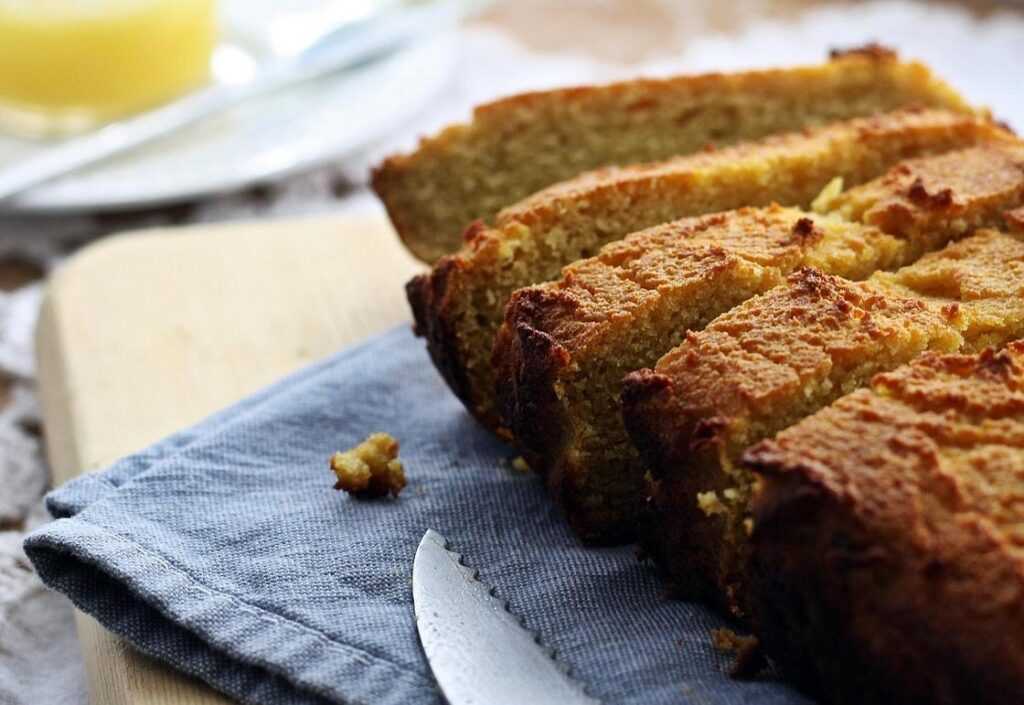
Curious about how to improve texture, flavor, or nutrition in your homemade baked goods? This guide to alternative flours baking is designed to help you confidently swap, blend, and experiment beyond traditional wheat flour. Whether you’re looking to accommodate dietary preferences, explore global ingredients, or simply elevate your results, understanding how different flours behave is the key to better baking.
Many home bakers struggle with dense textures, dry crumbs, or unpredictable results when working with non-traditional flours. Here, you’ll find clear explanations of how popular options like almond, oat, rice, and other specialty flours perform in recipes—plus practical tips to balance moisture, structure, and flavor.
Our insights are grounded in extensive culinary testing, global ingredient research, and hands-on kitchen experimentation to ensure the guidance is reliable and practical. By the end, you’ll know which flour to choose, how to combine them effectively, and how to achieve consistent, delicious results every time.
Beyond the White Bag: A Baker’s Guide to the World of Flour
As you experiment with alternative flours in your everyday baking, don’t forget to save some of those delicious creations for later, and check out our guide on How to Reheat Renkooki to enjoy them at their best.
All flour is not created equal. Flour is milled grain, but its protein content—the percentage of gluten-forming proteins—changes everything. Gluten is the stretchy network that traps air in bread. More protein means chewier loaves; less means tender cakes.
Confused by labels like “bleached” or “whole wheat”? Bleached flour is whitened for a softer texture, while whole wheat keeps the bran and germ for fiber and flavor.
In alternative flours baking, options like almond or oat contain no gluten, so recipes often need binders like eggs or xanthan gum.
The Foundation: Understanding Classic Wheat Flours
The Role of Gluten
Gluten is the protein network formed when wheat flour mixes with water. More protein = more gluten potential, which means more structure and chew. Less protein? A softer, more tender crumb. Think bagel vs. birthday cake. Same grain, wildly different outcomes. (It’s basically the difference between a trampoline and a pillow.)
All-Purpose Flour: The Versatile Workhorse
With moderate protein (typically 10–12%, King Arthur Baking), all-purpose flour sits comfortably in the middle. It’s the A student: dependable in cookies, quick breads, pancakes, and even some cakes. Compared to bread flour, it’s less chewy. Compared to cake flour, it’s sturdier. If you only stock one flour, this is it.
Bread Flour: The High-Protein Powerhouse
At 12–14% protein (Bob’s Red Mill), bread flour builds a strong gluten network. A vs. B scenario: swap all-purpose into a rustic sourdough and you’ll get decent rise; use bread flour and you’ll get that airy crumb and satisfying chew pizza lovers obsess over. That strength traps gas from yeast fermentation, creating lift and structure.
Cake Flour: The Low-Protein Specialist
Cake flour contains about 7–9% protein and is finely milled. Result? Exceptionally tender, delicate cakes. Compare cupcakes made with bread flour (dense, rubbery) to those made with cake flour (light, cloudlike). The lower protein limits gluten formation, keeping textures soft.
Whole Wheat Flour: The Nutritious Option
Whole wheat includes bran and germ, adding fiber and a nutty flavor (USDA). It absorbs more liquid and yields denser bakes. Substitute 50% whole wheat for all-purpose to maintain moisture and structure. Pro tip: add a tablespoon of extra liquid per cup to prevent dryness.
• Choose by texture goal: chewy (bread flour) vs. tender (cake flour)
• Blend flours thoughtfully, especially when exploring alternative flours baking
Understanding these comparisons turns guesswork into strategy.
Baking Without Barriers: A Guide to Gluten-Free Flours

Gluten is the invisible scaffolding of traditional baking—the stretchy protein network that traps air bubbles and gives bread its chew. Remove it, and your cake can collapse like a tent without poles. That’s why gluten-free baking relies on binders—ingredients such as xanthan gum (a fermented sugar-derived powder that mimics elasticity) or psyllium husk—to hold everything together. In most cases, you’ll also blend multiple flours to recreate gluten’s balance of structure, moisture, and tenderness. Think of it as assembling a band: no single instrument carries the whole song.
Almond Flour: Rich and Reliable
Almond flour is the low-carb, high-protein favorite. Because it’s made from finely ground blanched almonds, it contains significant fat and moisture. The result? Tender cakes, delicate macarons, and cookies with a soft crumb. However, that richness can make batters heavy, so recipes often use extra eggs for lift. It’s a bit like baking with wet sand—luxurious, but it needs shaping support.
Coconut Flour: The Thirsty Sponge
In contrast, coconut flour is extraordinarily absorbent. It acts like a sponge left out in the sun, soaking up liquid at surprising speed. You’ll need far more eggs and liquid than expected, but the payoff is a naturally sweet flavor and moist, dense texture. It shines in hearty loaves and snack cakes.
Oat Flour: Comfort in a Bowl
Meanwhile, oat flour brings a mild sweetness and tender crumb to muffins, pancakes, and crumbles. You can make it at home by blending rolled oats into a fine powder. For those with celiac disease, choose certified gluten-free oats to avoid cross-contact.
Gluten-Free All-Purpose Blends: The Shortcut
Finally, commercial blends—often combining rice flour, potato starch, and tapioca starch—offer a convenient 1:1 swap for wheat flour. They simplify alternative flours baking, though flavor and texture vary by brand. For adventurous cooks, exploring fermentation experiments for curious home cooks (https://renkooki.com/fermentation-experiments-for-curious-home-cooks/) can deepen your understanding of structure and flavor.
In the end, gluten-free baking isn’t limitation—it’s adaptation, like learning to waltz without stepping on toes.
Flavor Forward: Exploring Specialty & Ancient Grain Flours
If your pantry only holds all-purpose flour, you’re missing out on a world of flavor. Specialty and ancient grains bring personality to your baking—sometimes bold, sometimes subtle, always interesting.
Rye Flour is the European classic. It has a deep, earthy flavor and lower gluten content (gluten is the protein network that gives dough elasticity), which means denser, more compact loaves. That’s why traditional German pumpernickel feels hearty rather than fluffy. Light rye contains mostly the endosperm and tastes milder. Medium rye adds more bran for complexity. Dark rye includes the whole grain, delivering the most robust flavor and color. If you love artisan bread with character, start here.
Next, Spelt Flour—a nutty, slightly sweet ancient grain and cousin of modern wheat. Its gluten structure is more fragile, which some people find easier to digest (though it’s not gluten-free). It shines in rustic breads, muffins, and scones. Pro tip: reduce mixing time; overworking spelt can make baked goods crumbly.
Then there’s Buckwheat Flour, a gluten-free seed flour unrelated to wheat (despite the name). It’s bold and earthy, starring in French crêpes, Russian blinis, and Japanese soba noodles. Think of it as the espresso shot of flours—strong, distinctive, unforgettable.
If you’re new to alternative flours baking, don’t overhaul your recipe overnight. Instead, substitute 25% of the all-purpose flour in a familiar dish. Notice the shift in flavor, texture, even aroma. Then adjust. That’s how kitchen confidence is built—one measured experiment at a time.
Stocking Your Pantry for Perfect Bakes
You now have a map to the world of flour, from foundational wheat varieties to gluten-free powerhouses and ancient grains. No more guessing—just smart choices. First, label airtight jars and store them in a cool, dry place. Then, try alternative flours baking experiments by swapping 1/4 cup of spelt into muffins. Next, whisk almond flour with an extra egg for structure (it prevents crumbly disasters). For gluten-free blends, add a teaspoon of xanthan gum to mimic gluten, a protein that creates chew. Finally, taste and tweak. Start with one new flour this week. Experiment.
Elevate Your Baking with the Right Flour Choices
You came here to better understand how alternative flours baking can transform your recipes—and now you have the tools to do exactly that. From texture and flavor differences to smart substitution strategies, you’re equipped to experiment with confidence instead of guessing and hoping for the best.
Baking with new flours can feel overwhelming. Dense loaves, crumbly textures, or flat flavors are frustrating when you’ve invested time and quality ingredients. But with the right knowledge and preparation, those common pitfalls become opportunities for creativity and better results.
Now it’s time to step into your kitchen and put what you’ve learned into practice. Start with one recipe, swap strategically, and taste the difference. If you want more global flavor inspiration, ingredient deep-dives, and practical kitchen-tested tips, explore our latest guides and join thousands of passionate home cooks who trust our insights to level up their baking. Your next signature bake starts today—don’t wait to create it.
 Brian Pinkertoniolusto writes the kind of cooking tips and advice content that people actually send to each other. Not because it's flashy or controversial, but because it's the sort of thing where you read it and immediately think of three people who need to see it. Brian has a talent for identifying the questions that a lot of people have but haven't quite figured out how to articulate yet — and then answering them properly.
They covers a lot of ground: Cooking Tips and Advice, Culinary Buzz, Global Flavors and Fusions, and plenty of adjacent territory that doesn't always get treated with the same seriousness. The consistency across all of it is a certain kind of respect for the reader. Brian doesn't assume people are stupid, and they doesn't assume they know everything either. They writes for someone who is genuinely trying to figure something out — because that's usually who's actually reading. That assumption shapes everything from how they structures an explanation to how much background they includes before getting to the point.
Beyond the practical stuff, there's something in Brian's writing that reflects a real investment in the subject — not performed enthusiasm, but the kind of sustained interest that produces insight over time. They has been paying attention to cooking tips and advice long enough that they notices things a more casual observer would miss. That depth shows up in the work in ways that are hard to fake.
Brian Pinkertoniolusto writes the kind of cooking tips and advice content that people actually send to each other. Not because it's flashy or controversial, but because it's the sort of thing where you read it and immediately think of three people who need to see it. Brian has a talent for identifying the questions that a lot of people have but haven't quite figured out how to articulate yet — and then answering them properly.
They covers a lot of ground: Cooking Tips and Advice, Culinary Buzz, Global Flavors and Fusions, and plenty of adjacent territory that doesn't always get treated with the same seriousness. The consistency across all of it is a certain kind of respect for the reader. Brian doesn't assume people are stupid, and they doesn't assume they know everything either. They writes for someone who is genuinely trying to figure something out — because that's usually who's actually reading. That assumption shapes everything from how they structures an explanation to how much background they includes before getting to the point.
Beyond the practical stuff, there's something in Brian's writing that reflects a real investment in the subject — not performed enthusiasm, but the kind of sustained interest that produces insight over time. They has been paying attention to cooking tips and advice long enough that they notices things a more casual observer would miss. That depth shows up in the work in ways that are hard to fake.