
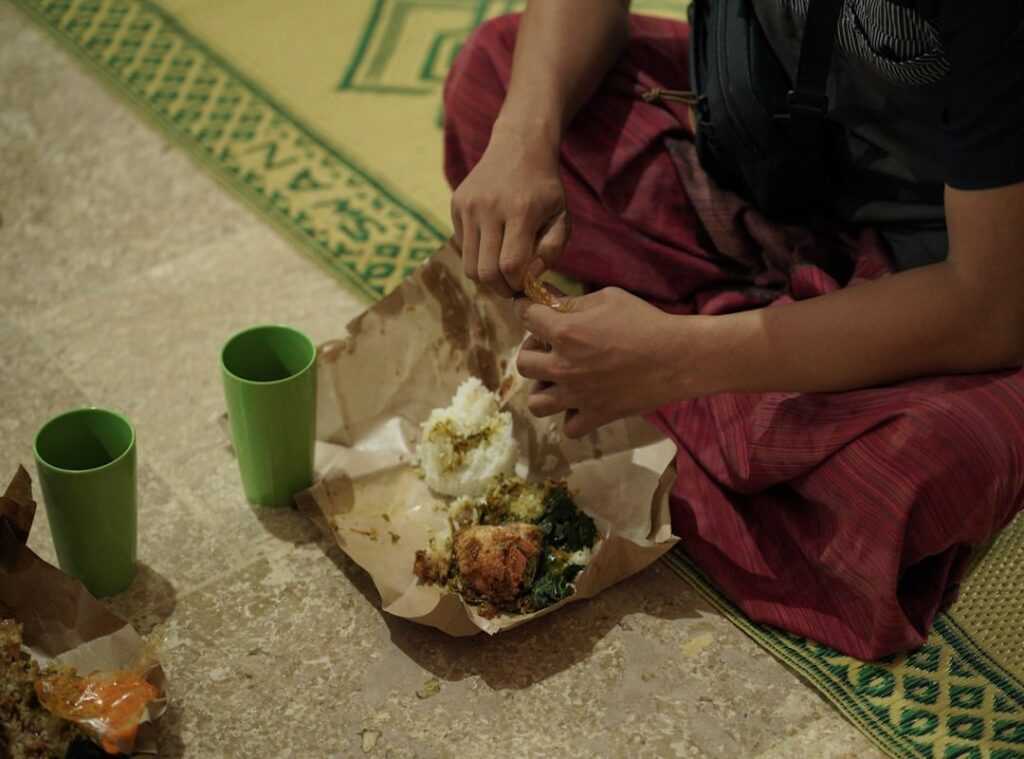
Ever bite into something and suddenly, you’re back on that bustling street in Bangkok or that cozy café in Paris? The taste and smell of food have the power to transport us. It’s like magic.
Yet, the impact of culinary tourism goes beyond just flavors. It’s about how these culinary journeys shape our minds and lives. I’ve spent years diving deep into global cuisines, not just tasting, but understanding.
Trust me, the effects of food-related travel experiences are deep.
You’ll see how these adventures influence psychology, broaden cultural understanding, and even boost skills back home. Isn’t it fascinating how a simple dish can connect worlds? By the end of this, you’ll grasp the lasting effects of your next food journey.
Ready to explore?
The Mind-Altering Magic of Food Travel
Ever wondered how a simple bite can mess with your mind? Trying new foods doesn’t just fill your stomach. It shakes up your brain, challenging those old beliefs you didn’t even know you had.
Cognitive flexibility is what they call it. Fancy term, but really it’s just your brain stretching to think about more than one thing at a time. It’s like a mental yoga session, and trust me, we could all use one.
And then there’s the power of smell. Have you ever caught a whiff of something and been instantly transported to another time? That’s the magic at play.
Smells connect to memories in a way nothing else can. A rich curry might just remind you of that bustling street market from your vacation. These sensory trips don’t just create memories; they boost your mood long after the journey ends.
It’s a little bit of happiness you can carry with you.
Now, let’s talk about culinary creativity. You taste something new and suddenly you’re inspired. New ingredients and flavors spark ideas, not just in the kitchen, but in life.
Maybe that unexpected taste of saffron inspires your next art project or business pitch. Who knew food could be such a muse?
The impact of culinary tourism is deep (yes, I said it). It’s about more than just food. It’s about how these experiences shape us, open our minds, and connect us to the world in unexpected ways.
Want to dive deeper into how social media shapes food choices? You might find some surprises there. Food travel isn’t just a journey for your taste buds.
It’s a complete mind shift, and honestly, who wouldn’t want that?
The World on a Plate: Food as Culture
Food isn’t just about satisfying hunger. It’s a universal language that tells stories of history and culture. When you share a plate of food, you’re participating in a tradition older than any written history.
Take mint tea in Morocco, for example. Sharing this lively drink isn’t just about quenching thirst. It’s a gesture of hospitality, a warm welcome to friends and strangers alike.
It’s like exchanging a handshake, but with more flavor and history.
In Vietnam, a bowl of Pho is more than just a meal. It’s a narrative of resilience and resourcefulness. Imagine the chaos of a bustling Vietnamese street, the aromatic steam rising from a simmering pot.
Pho was born from necessity, using leftover cuts of beef and aromatic herbs to transform scraps into something beautiful. Each spoonful is a reminder of a nation’s survival and creativity.
Let’s talk about why this matters. Participating in these food traditions. Like touring a local market or joining a cooking class.
Gives you an authentic connection to a place. It’s a richer experience than just snapping a photo at a tourist spot.
Food reflects a culture’s values. Large shared meals highlight the importance of family and community. Ever noticed how some cultures use every part of an animal or plant?
It’s about respect and resourcefulness.
Culinary tourism isn’t just about eating; it’s about understanding. Plus, if you’re into numbers, the economic impact of food tourism shows how deep this connection runs. So next time, ditch the guidebook.
Grab a fork and dive into the local cuisine. The impact of culinary tourism is not just something you see. It’s something you taste, feel, and live.
And really, isn’t that what travel is all about?
Building Social Bonds One Bite at a Time
Eating with others is one of the most basic yet solid ways to connect. I’ve seen this firsthand. Picture this: you’re in a bustling market, overwhelmed by sounds and scents.

A local vendor hands you a dish you’ve never tried. You take a bite and suddenly, you’re not just a tourist. You’re part of something bigger.
That’s the impact of culinary tourism.
Eating together breaks barriers. When you’re sharing a table, language gaps don’t matter much. A smile or nod can say more than words.
I remember a trip where I joined a local family’s dinner. We couldn’t understand each other fully, but the laughter and shared food did the talking.
And let’s talk about menus in different languages. It’s a wild ride. Ordering a meal becomes an adventure.
It builds social confidence, too. Who knew pointing and miming could be so effective?
Traveling with friends or family? Food is your secret weapon for bonding. Ever tried cooking a local dish together?
The shared failures and triumphs in the kitchen create stories you’ll laugh about for years. Plus, figuring out a foreign recipe can be a hilarious disaster. But those are the moments that strengthen relationships.
Now, don’t get me started on communal dining tables. They’re like a mini United Nations meeting. You sit next to strangers and leave as acquaintances, sometimes even friends.
The shared experience of food unites us in ways nothing else can.
For those interested in how food connects with broader social practices, look into how sustainable practices modern restaurants are making waves. It’s fascinating stuff.
So, next time you travel, dive into the local cuisine. You never know what connections you might make. Food is the universal language.
Bringing the Journey Home: New Skills and Lasting Habits
Travel changes you, but have you ever thought about how it can transform your kitchen? The impact of culinary tourism is more than just a few fancy recipes. It’s about taking those experiences and making them part of your daily life.
For instance, learning new cooking techniques can change the way you approach meals. Maybe you picked up a knack for balancing flavors or even discovered how to source fresh, seasonal ingredients. These aren’t just skills (they’re) lifestyle changes.
Now, let’s talk about being adventurous with food. Why stick to the same old boxed meals when you can embrace a more mindful approach? You don’t need to be a chef to explore new tastes.
Just curious and a bit bold.
Pro tip: Try recreating a dish from your trip. This isn’t just about cooking; it’s about reliving your adventures. You could also hit up a local international market.
You’ll find ingredients that can turn a basic meal into something special.
So, what are you waiting for? Your next meal could be a trip back to that little bistro in Paris or a street vendor in Bangkok. Isn’t it time you brought your journey home?
Flavor-Filled Journeys Await
Ever thought about the impact of culinary tourism? It’s life-changing. Traveling for food transforms your mind and broadens your cultural awareness.
It’s more than just eating. These trips linger well beyond the last bite, reshaping your social life and personal growth. Why settle for ordinary travel?
Seek out experiences that connect you with diverse flavors and people.
Plan your next adventure with taste in mind. Dive into unique tastes and create lasting memories. Renkooki.com is your guide to this journey.
Get inspired and start planning today. Don’t just visit. Savor.
Explore. Connect. What’s your next flavor-filled adventure?
 Regina Hoodecons has opinions about global flavors and fusions. Informed ones, backed by real experience — but opinions nonetheless, and they doesn't try to disguise them as neutral observation. They thinks a lot of what gets written about Global Flavors and Fusions, Culinary Buzz, Renkooki Culinary Experimentation is either too cautious to be useful or too confident to be credible, and they's work tends to sit deliberately in the space between those two failure modes.
Reading Regina's pieces, you get the sense of someone who has thought about this stuff seriously and arrived at actual conclusions — not just collected a range of perspectives and declined to pick one. That can be uncomfortable when they lands on something you disagree with. It's also why the writing is worth engaging with. Regina isn't interested in telling people what they want to hear. They is interested in telling them what they actually thinks, with enough reasoning behind it that you can push back if you want to. That kind of intellectual honesty is rarer than it should be.
What Regina is best at is the moment when a familiar topic reveals something unexpected — when the conventional wisdom turns out to be slightly off, or when a small shift in framing changes everything. They finds those moments consistently, which is why they's work tends to generate real discussion rather than just passive agreement.
Regina Hoodecons has opinions about global flavors and fusions. Informed ones, backed by real experience — but opinions nonetheless, and they doesn't try to disguise them as neutral observation. They thinks a lot of what gets written about Global Flavors and Fusions, Culinary Buzz, Renkooki Culinary Experimentation is either too cautious to be useful or too confident to be credible, and they's work tends to sit deliberately in the space between those two failure modes.
Reading Regina's pieces, you get the sense of someone who has thought about this stuff seriously and arrived at actual conclusions — not just collected a range of perspectives and declined to pick one. That can be uncomfortable when they lands on something you disagree with. It's also why the writing is worth engaging with. Regina isn't interested in telling people what they want to hear. They is interested in telling them what they actually thinks, with enough reasoning behind it that you can push back if you want to. That kind of intellectual honesty is rarer than it should be.
What Regina is best at is the moment when a familiar topic reveals something unexpected — when the conventional wisdom turns out to be slightly off, or when a small shift in framing changes everything. They finds those moments consistently, which is why they's work tends to generate real discussion rather than just passive agreement.